Build a new treatment system or improve an existing line. Start with the influent, flow and effluent requirements to choose a packaged system or equipment for a specific process stage.
Start with the scope of your project, then compare the equipment for each duty.
01
Build a complete treatment system
For a community, facility or decentralised site that needs a packaged biological treatment system. Compare conventional packaged treatment and MBR against the effluent target.
Packaged systems and individual units have different supply boundaries. Tell us what is already installed and which duties you need to add so we can confirm the equipment and site interfaces.
Complete packaged systems
Both options are selected against the influent and effluent requirements, with foundations, pipework, power and operation confirmed for the site. Whether membrane separation is required is one key distinction.
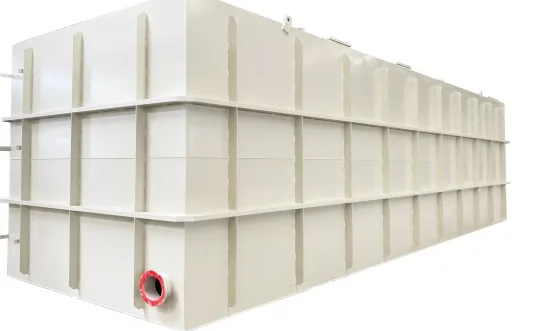
A packaged biological treatment unit for domestic and site wastewater, subject to project assessment. The process configuration, tank dimensions and shipping arrangement are confirmed against the water quality, flow and site conditions.
Confirm: influent load, effluent limits, site space and shipping requirements.
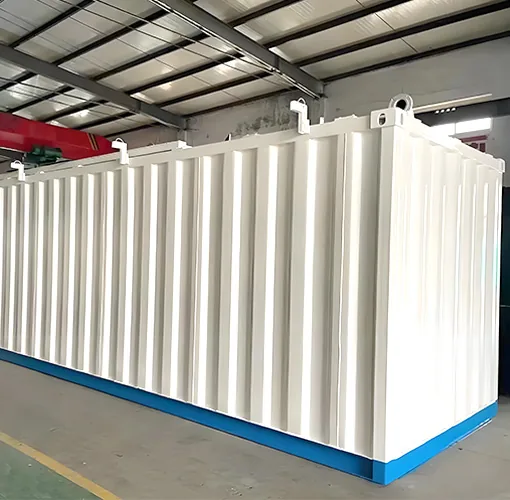
Combines biological treatment with membrane separation for projects requiring further control of suspended solids. Reuse suitability depends on the water quality, intended use and any further treatment. Include membrane cleaning and site operation in the selection.
Confirm: effluent use, membrane configuration, cleaning and site operation.
Choose equipment for the solids, oil or suspended matter you need to remove. Each unit has a different role; the combination depends on the influent and treatment target.
01
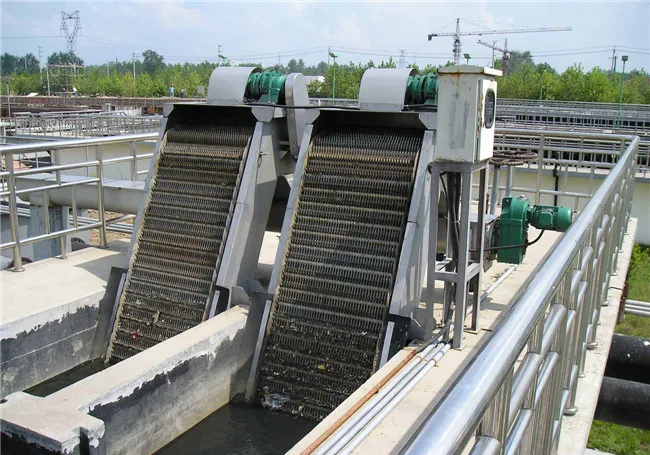
Rotary rake screen
Target: coarse and fibrous solids that would block pumps and wrap around downstream equipment.
Typical position: the first stage of the line, in the inlet channel.
A bar screen whose rake teeth run on a continuous chain, combing the bars and lifting the screenings above the water line to discharge them clear of the channel.
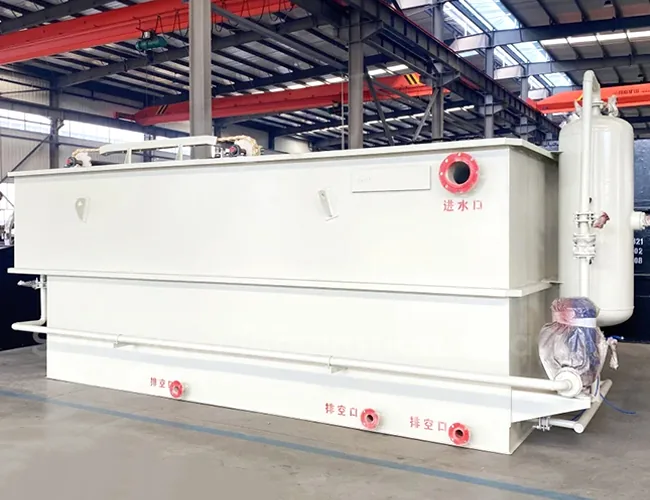
Target: oil, grease and light suspended solids that float rather than settle.
Typical position: ahead of the biological stage, or as a separate treatment step on industrial water.
Micro-bubble flotation that attaches suspended solids, oil and grease to bubbles and carries them to the surface, where a skimming device removes them.
Duty: suspended particles suitable for screen separation.
Position: confirmed against the screening duty and adjacent processes.
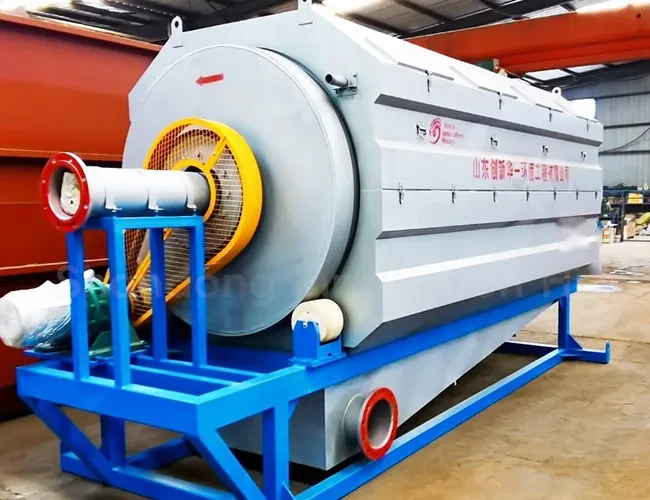
Uses a rotating screen to capture particles from water. Confirm the mesh opening, flow and wash arrangement against the solids and installation point; see the equipment page for model details.
Target: settled solids in a plant where the clarifier area is the limiting factor.
Typical position: clarification or tertiary settling, after coagulation and flocculation.
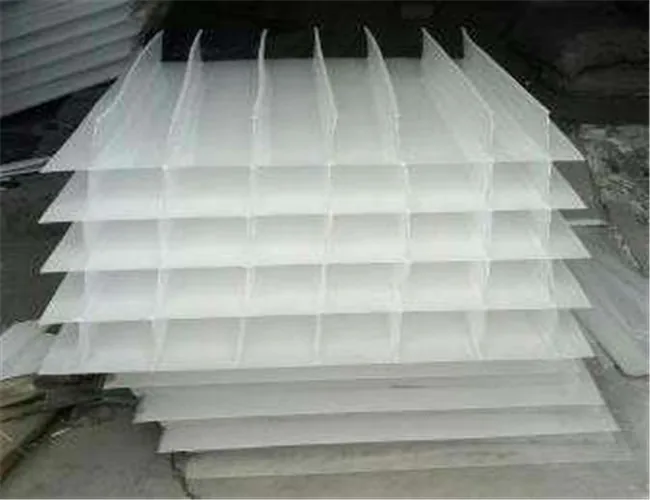
Inclined tube or plate media increase the effective settling area within a tank. Confirm the arrangement against particle settling behaviour, surface loading and sludge withdrawal.
Review selection inputs and supply scope for chemical treatment or dosing duties.
Which equipment to study first
Use this table to find the duty in front of you and the equipment that answers it. It is a reading order, not a fixed treatment train: the units are selected against the actual water quality, and a plant does not need every row.
Scroll the table sideways on a narrow screen; the rest of the page does not move.
Selection summary: duty, equipment to study first, and data to confirm before quoting
Duty in front of you
Equipment to study first
Confirm before asking for a quotation
Coarse and fibrous solids at the inlet
Rotary rake screen
Channel width and depth, bar spacing, peak flow, and where the screenings go
Oil, grease and floating suspended solids
Dissolved air flotation
Influent oil and suspended solids, whether dosing is needed, and how the float is handled
Suspended particles needing screen separation
Rotary microfilter
Mesh opening, flow and head available, and the wash water balance
More settling area within limited space
Inclined tube settler
Surface loading, upstream flocculation, and the sludge withdrawal arrangement
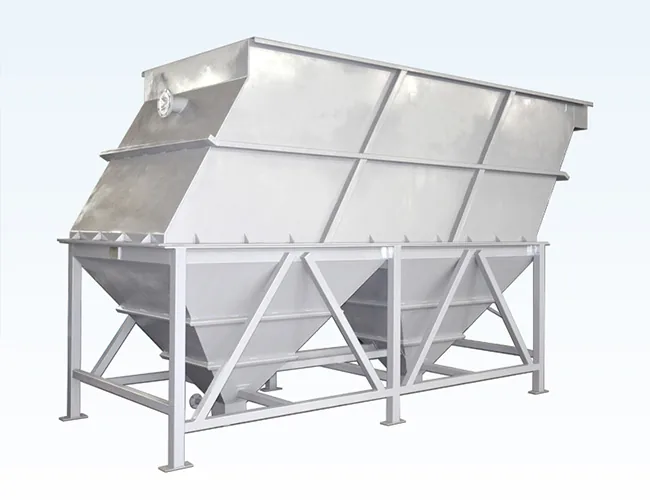
High-rate clarification and sludge thickening
Lamella clarifier
Plate arrangement, sludge concentration wanted, and the dewatering step downstream
A whole biological line without membrane separation
Integrated wastewater treatment plant (STP)
Effluent limits, site and foundation, power supply, and who does the pipework
A whole line where membrane separation is required
Integrated MBR wastewater treatment plant
Reuse target and its limits, membrane aeration and cleaning, and the operating attention on site
Confirm the process combination and sequence against the actual water quality. Influent analysis and an effluent target help define the duty of each stage.
What to prepare before a quotation
This is the information that turns a price for a machine into a proposal for a working stage. Send whichever items you already have; the gaps are what the next conversation is about.
01
Water source
Identify the domestic or industrial wastewater source and any other streams entering the same drain.
02
Average and peak flow, with units
State the flow in m³/h or m³/day and say which figure is the average and which is the peak, including how long the peak lasts.
03
Influent analysis
The laboratory report if you have one: suspended solids, oil and grease, organic load, pH and any specific pollutant that set the treatment requirement.
04
Effluent use and limits
Identify discharge, irrigation, washing or other reuse, together with the specific requirements.
05
Site and power
Available site dimensions, indoor or outdoor installation, power supply and ambient conditions.
06
Existing facilities
What is already installed upstream and downstream, and which parts of the work stay with your civil or MEP contractor.
Open this when you have the analysis and want a proposal.
Equipment supply and site work
Equipment, controls and accessories are itemised for the selected configuration in the quotation. Confirm the following site provisions and responsibilities before ordering:
Foundation, plinth or civil structure that the unit sits on.
Connecting pipework, buried lines and interfaces with the existing system.
Power supply to the equipment terminal, and the cabling between the equipment and the site distribution board.
Discharge routes for screenings, float, sludge and wash water.
The scope and responsibilities for site installation, commissioning and operator training.
Record the equipment scope and site work together so connections can be prepared before delivery.
Frequently asked
Do I need the whole line, or can I buy one stage?
You can request an individual unit. Share the existing process, the problem and inlet/outlet data so the affected duty and adjacent processes can be assessed before equipment is selected.
How do I choose between the STP and the MBR system?
Compare the influent and effluent requirements first, then the need for membrane separation, available space, cleaning provisions and operation. The process, model and supply scope are confirmed per project.
Will an MBR system give me water I can reuse directly?
Membrane separation helps control suspended solids. Reuse also depends on the intended use, influent contaminants and further treatment requirements. Establish the reuse target before confirming the full process.
Do these units have to be installed as one fixed train?
No. The order shown on this page explains where each unit sits in a line, but the equipment is selected against your water quality. A plant may need screening and sedimentation and no flotation at all, or the other way round.
What is included in the delivery?
The quotation lists equipment, controls and accessories for the selected configuration. Confirm responsibilities for foundations, connecting pipework, power, residuals and site commissioning at the same time.
Tell us what the site has to treat.
Tell us whether you need a packaged system or an individual unit, together with the flow, water quality and effluent requirements you already have.