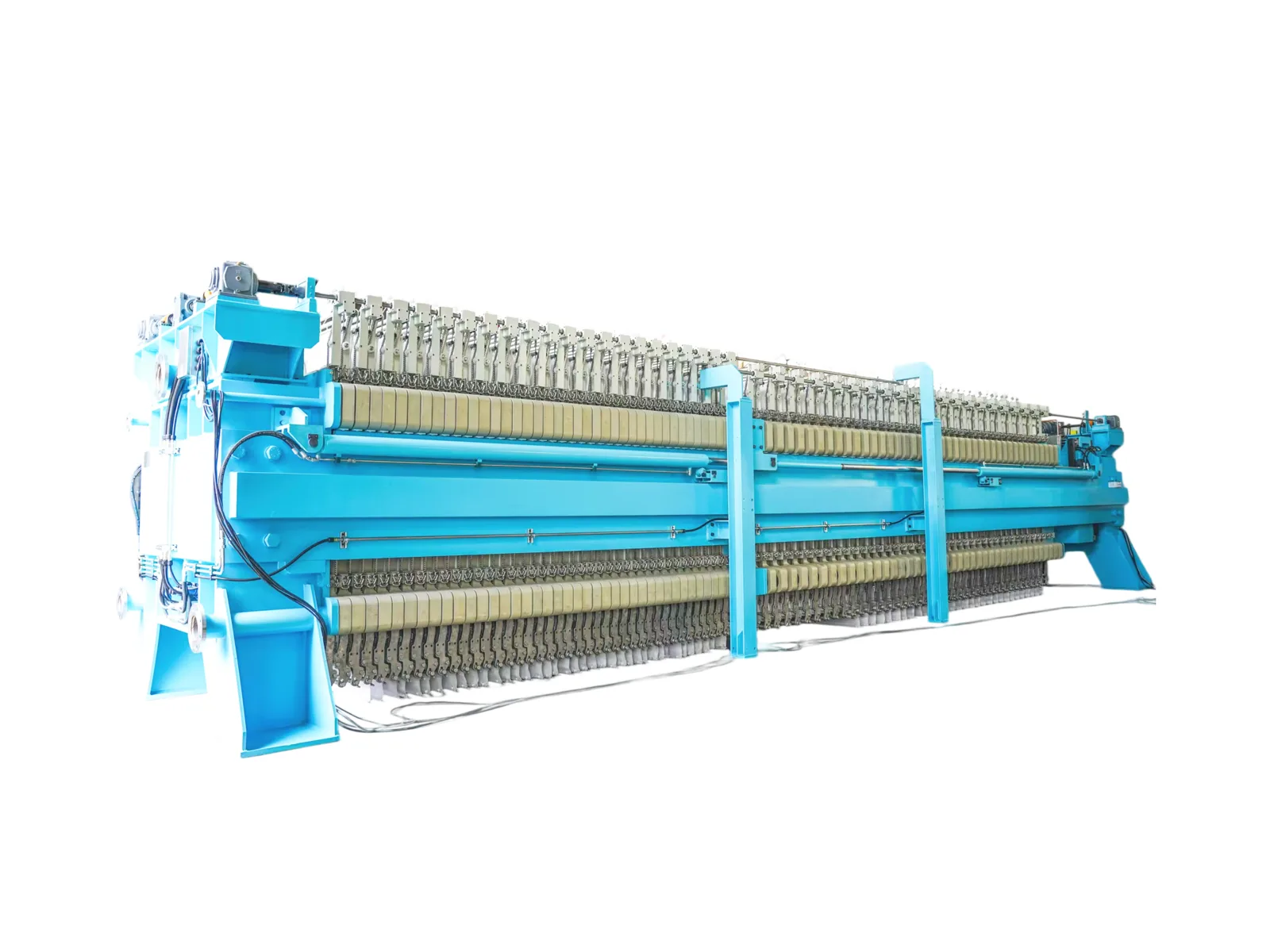
CXBK plate-and-frame filter press.
A batch press that forms the cake in closed chambers under pressure, chosen where the dry-solids content of the cake is the objective rather than a continuous cycle.
What a plate-and-frame press is, and what the site still does
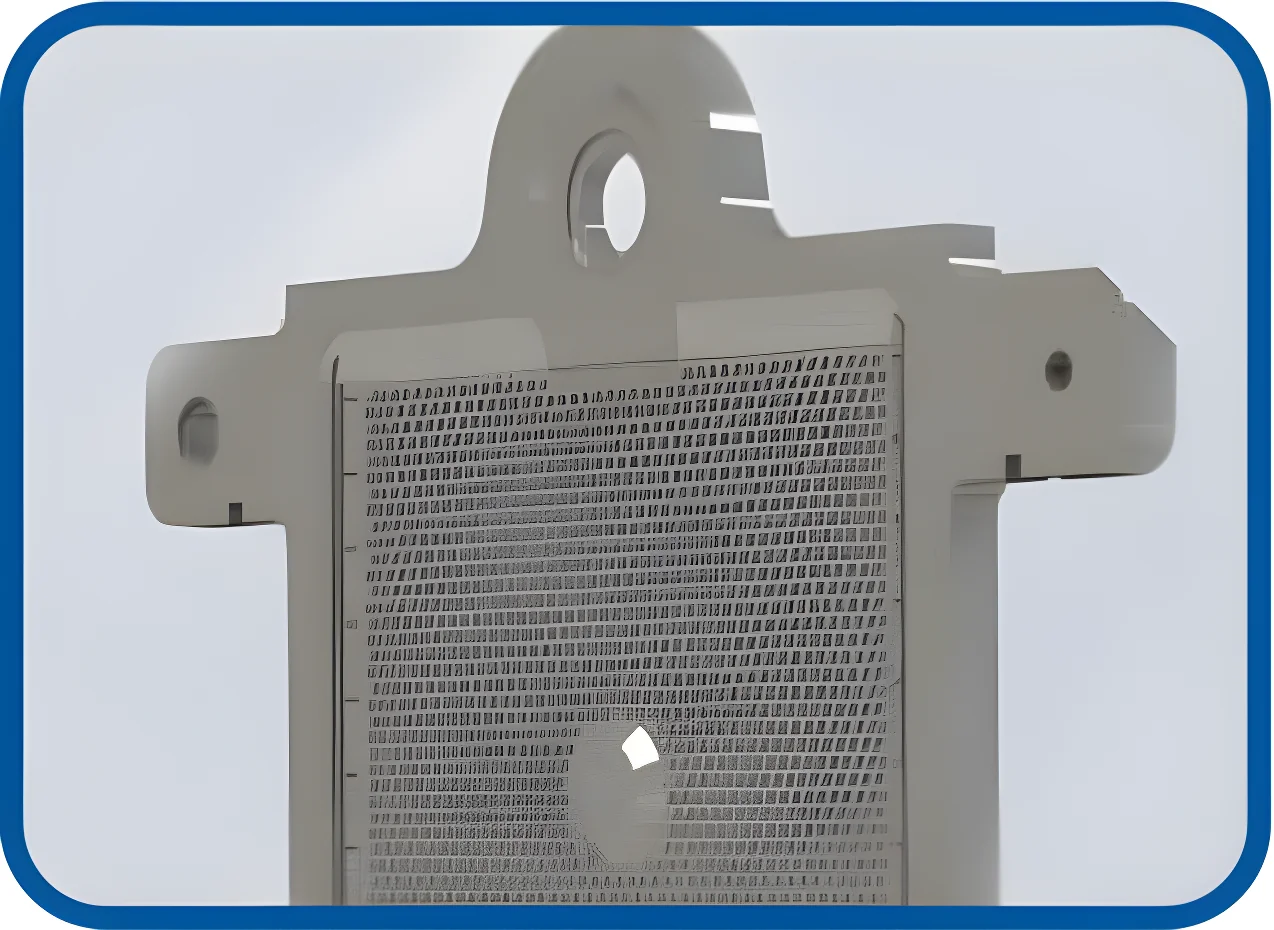
A plate-and-frame press filters in batches. The filter cloths are spread over the plates and supported by the drainage grooves; when the plates are clamped, the cloth becomes the sealing material and the cavity between every two plates forms a separate filter chamber, the feed pressure drives the filtrate out through the cloth, and the solids stay behind as a cake until the chambers are full and the plates are opened. Because the cake is formed under pressure in a closed chamber, the press is chosen where the dry-solids content of the cake matters more than a continuous cycle — typically on mining, chemical and electroplating sludge. The press is assembled and tested at our factory before shipment, and the plate pack, the filter cloths, the closing device and the control panel named in the offer are supplied with it; on site the foundation, the bund and drainage, the cake receiving arrangement, the feed and filtrate pipework to our flanges, and the lifting are site work.
Filter area, cake thickness and cycle time are fixed together
A plate-and-frame press is specified from four figures: the sludge volume per batch, the target cake dry solids, the chamber volume one batch must hold, and the cycle time the duty allows. The plate count follows from the chamber volume, and the filter area is the sum of the plate areas rather than a free choice (claim SD-PF-SPEC-01).
A deeper chamber holds more cake per cycle but needs a longer feed and a longer dry cycle. The cycle time sets how many batches a day the press can run. Ask for all four figures in the offer, not the filter area alone (claim SD-PF-CYCLE-01).
This page publishes no filter-area range. Where the products directory card gives a broad band for the family, it is an order-of-magnitude for the directory, not a model range for your sludge, and it is not repeated here as a specification. The plate count, chamber volume and cycle time are fixed with you at sizing (claim SD-PF-AREA-01).
Feed pressure, the feed pump and filter-cloth life
Feed pressure is what drives the filtrate through the cloth. It is set by the feed pump and the press, not by the cloth. A higher feed pressure packs the cake harder but loads the frame, the cloth and the pump (claim SD-PF-PRESSURE-01).
The filter cloth is the wear item: it is the sealing surface at the plate edges and the filtering surface over the drainage grooves, so a worn or torn cloth shows up as cloudy filtrate or a leaking chamber. We do not publish a cloth-life figure, because it follows the sludge, the pressure and the wash routine (claim SD-PF-CLOTH-01).
Cloth replacement and the spare cloth set are agreed in the offer; a fixed replacement interval is not part of the catalogue (claim SD-PF-SPARES-01).
When a plate-and-frame press is not the first choice
A plate-and-frame press is a batch machine: fill, press, open, discharge, close. Choose it where the cake has to be as dry as the sludge allows and where labour for the batch cycle is available. It is not the first choice for a continuous, lightly attended duty, for a sludge that blinds cloth quickly without conditioning, or where a screw press or a belt press already meets the cake target (claim SD-PF-WHENNOT-01).
The machine comparison article sets out the four families side by side, and the screw press detail page and belt filter press detail page show the continuous alternatives.
Filtrate, cake discharge and the boundary that stays on site
The filtrate leaves the plates and is collected in the liquid tank under the plate pack. It can be returned to the head of the works or treated, but it is not clean water. Where the cake has to be washed, the wash liquor and the filtrate have to be routed deliberately (claim SD-PF-FILTRATE-01).
The cake is discharged to a conveyor, a bin or a truck. The receiving arrangement, the bund and the drainage are site work.
- Site work — foundation, bund, drainage, the cake receiving arrangement, the feed and filtrate pipework to our flanges, and the lifting.
- Confirmed per order — the plate count, chamber volume, cycle time, layout drawing and utility schedule.
Supply, closing device, control and spares
In our supply sits the press frame, the plate pack, the filter cloths, the closing device and the control panel named in the offer. The feed pump, the cake conveyor, the filtrate tank and the civil works are site scope unless the offer says otherwise. The closing device and its power pack are matched to the plate pack (claim SD-PF-SUPPLY-01).
Spares to agree before order: filter cloths, plate handles or rollers, the closing-device seals and the feed-pump wear parts (claim SD-PF-SPARES-01).
Acceptance is written into the contract: factory acceptance tests before shipment, site acceptance tests after installation, and a performance test on the dry-solids content of the cake and the solids carried in the filtrate at the design feed, with the sampling point, the sample handling, the dry-solids method, the filtrate-solids method, the feed solids, the feed pressure and the cycle time agreed for the project, the party that carries a missed result named, and a failed result rectified and retested as agreed. Acceptance records are project documents; when you compare quotations, ask for the acceptance section of the contract.
Why a search-volume figure does not size this press
Search-volume tools disagree between engines: the same machine term can show a very different monthly volume on one engine and a small one on another, and the two figures cannot be added. The engine figures describe how often a term is searched, not how many presses a plant needs, and the Google figure recorded for this term is itself treated as uncertain. We do not scale the press, the page or the offer from a search-volume figure (claim SD-PF-ENGINE-01).
The model is fixed from your sludge volume, cake target and cycle time, and the duty is proved by the test described on this page (claim SD-PF-SPEC-01).
What this page can prove, and what needs a test
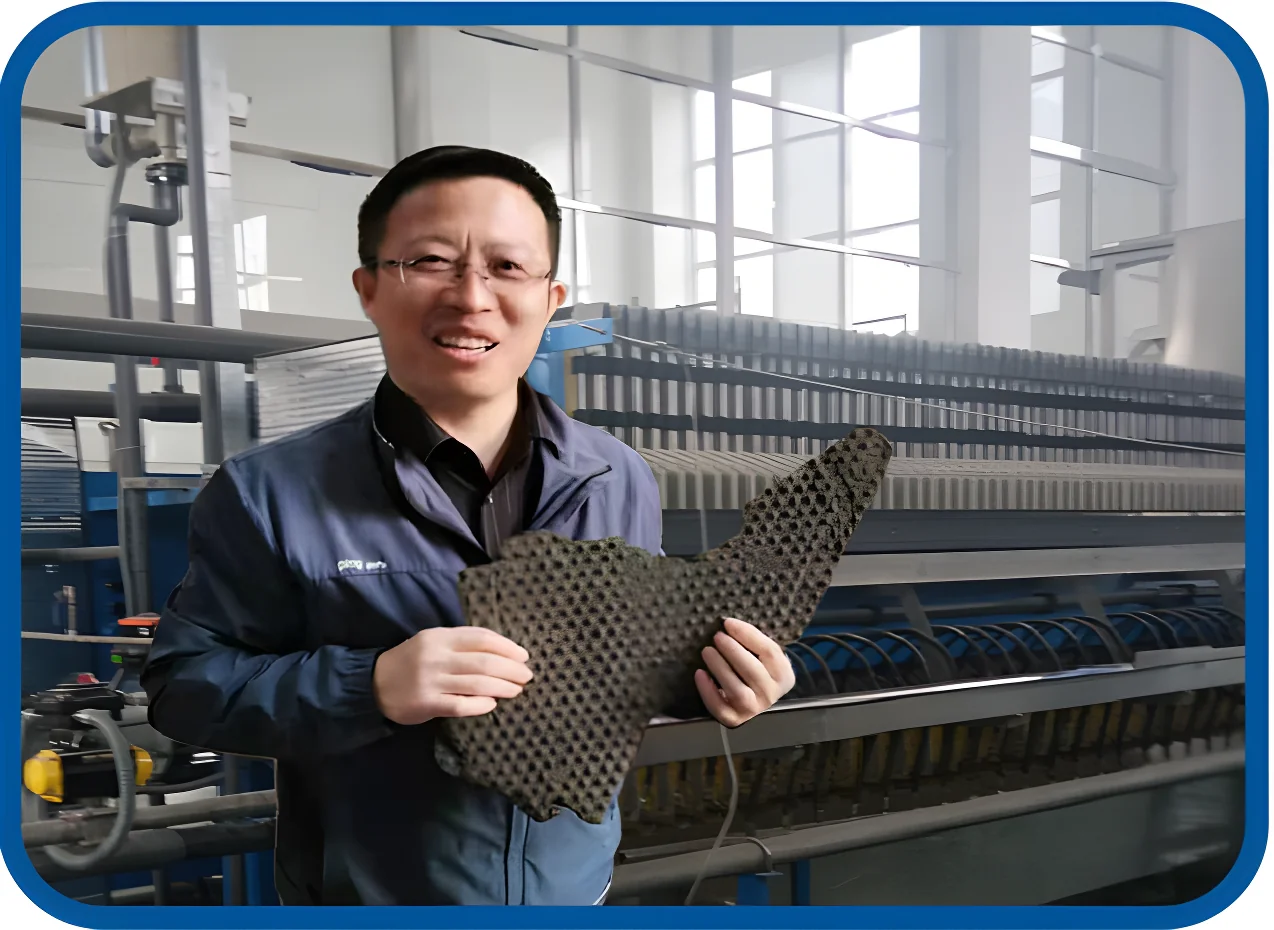
This page publishes no model table, because the frame is built around the plate pack for each duty. The catalogue photographs show the family; they do not replace a sizing table. A dry-solids figure for your cake needs a test on your sludge, and the test has to name the feed solids, the pressure, the cycle time and the polymer dose (claim SD-PF-EVIDENCE-01).
The sludge dewatering hub explains the family choice, and the sludge drying beds comparison and tank volume and HRT chart cover the alternatives and the upstream duty. Project examples are listed in our cases.
How a CXBK press is specified
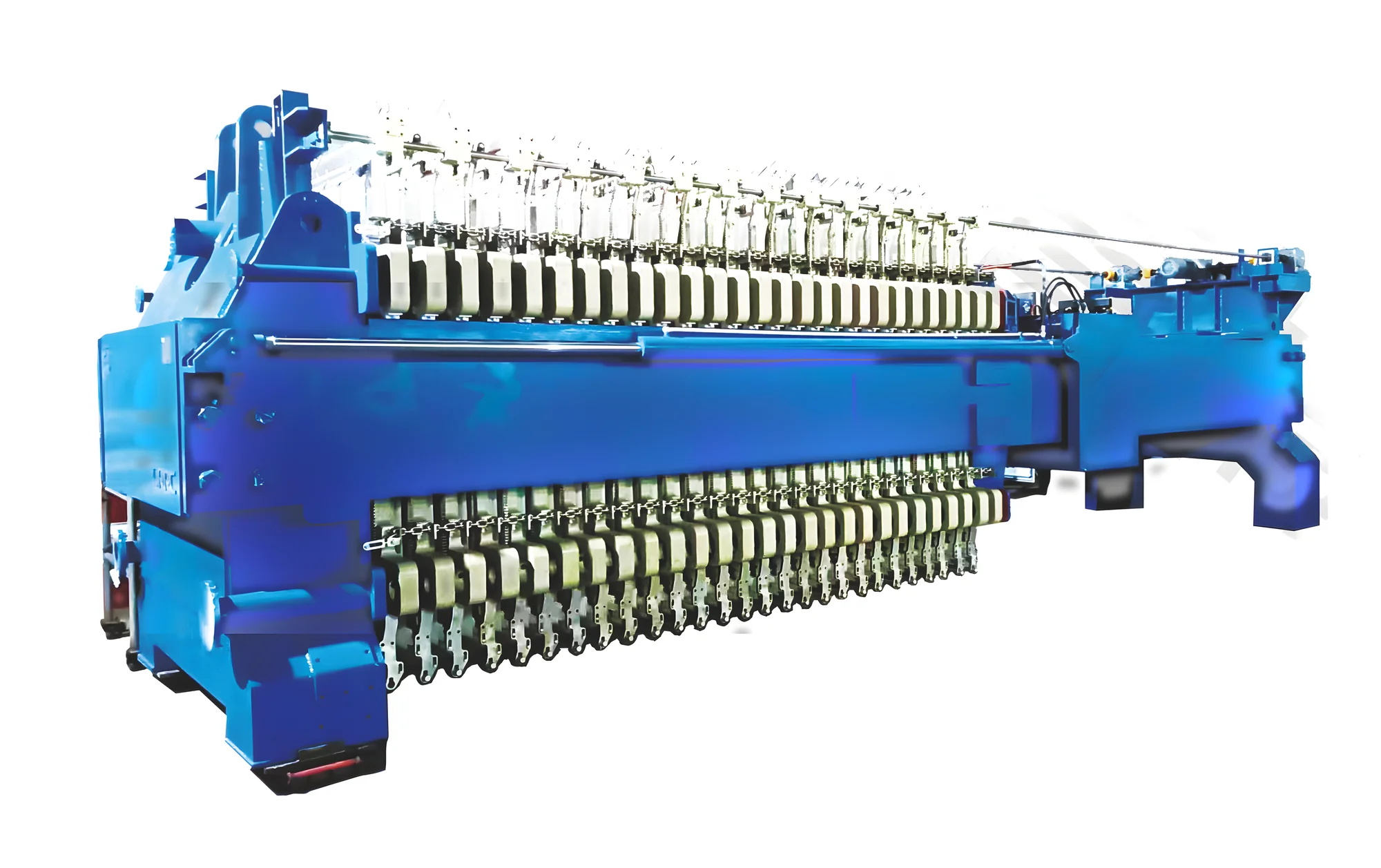
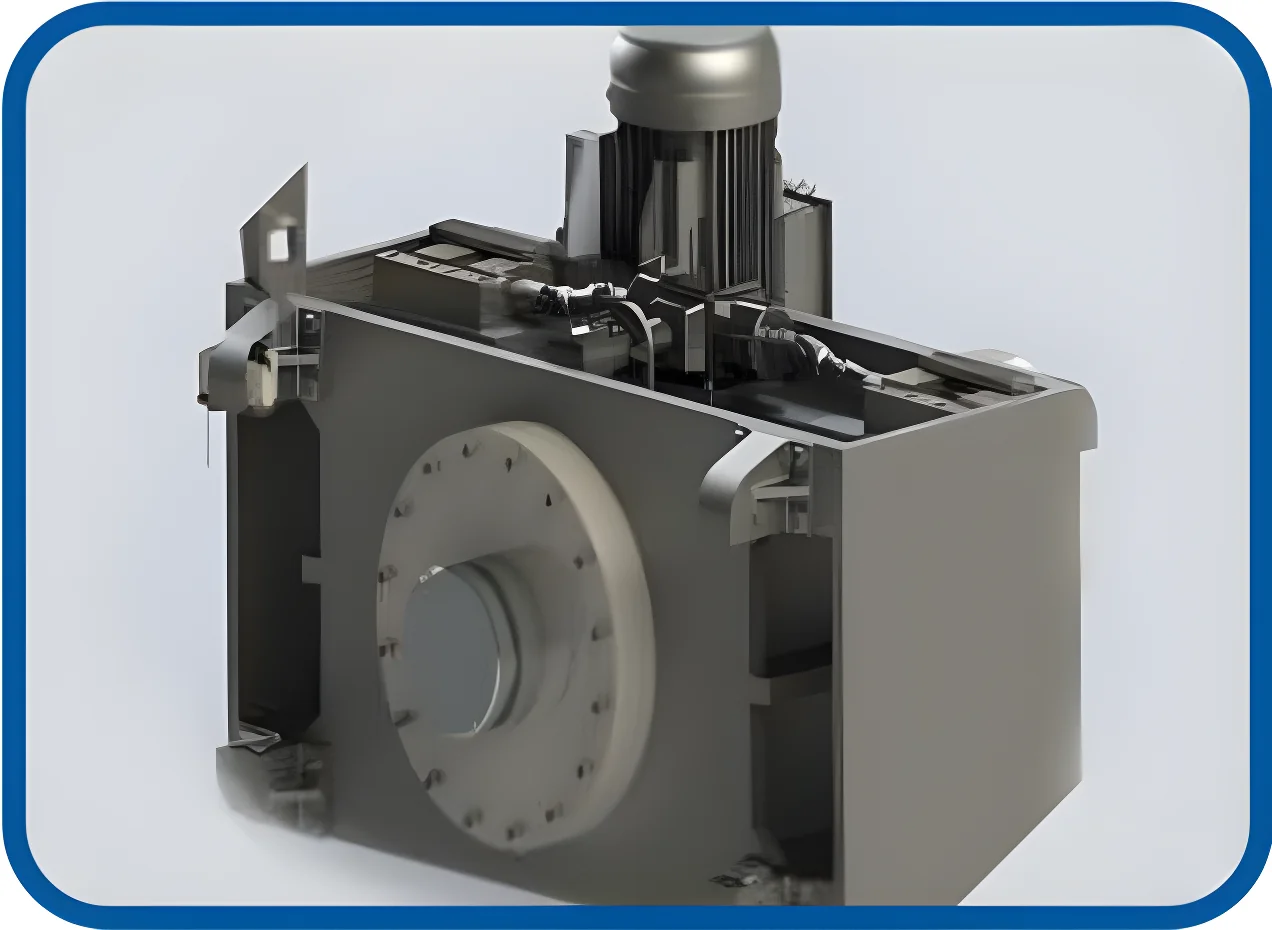
The specification starts from four figures: the sludge volume to be handled, the target dry-solids content of the cake, the chamber volume one batch must hold, and the cycle time the duty allows. The plate count and the chamber depth follow from those four, and the frame is built around the plate pack: the rails carry the plates, the liquid tank collects the filtrate below them, and the pressing device closes the stack for the filtration cycle. Send the sludge volume and the target cake and we fix the plate count, the chamber volume and the cycle time of the unit with you during sizing.
CXBC filter press in detail
Delivery
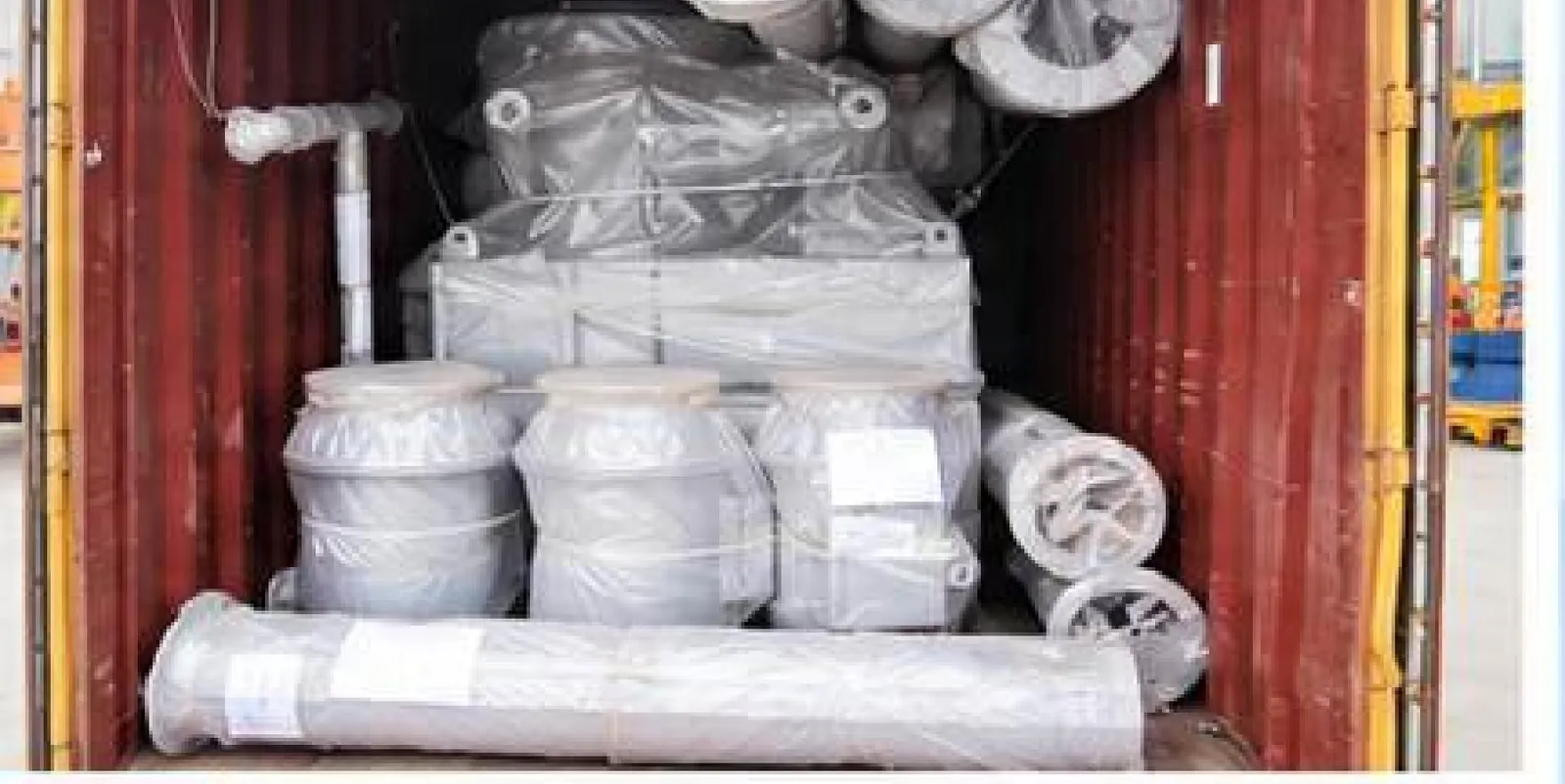
Units are assembled and tested at our factory before shipment, then shipped with export documentation. Loading arrangement and the delivery schedule are confirmed with each order against the packed dimensions and the port of discharge.