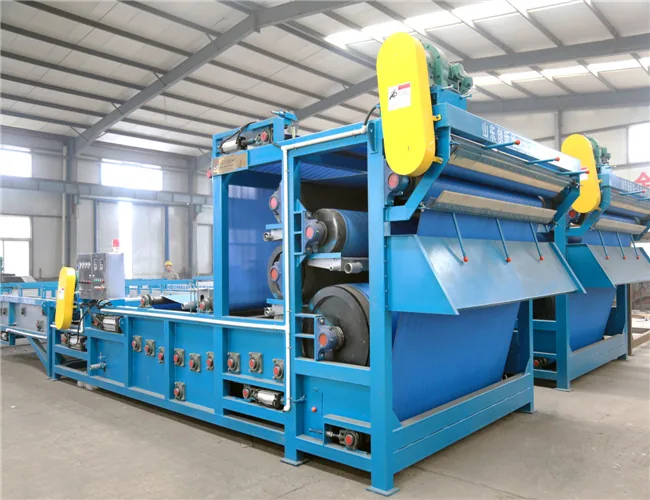
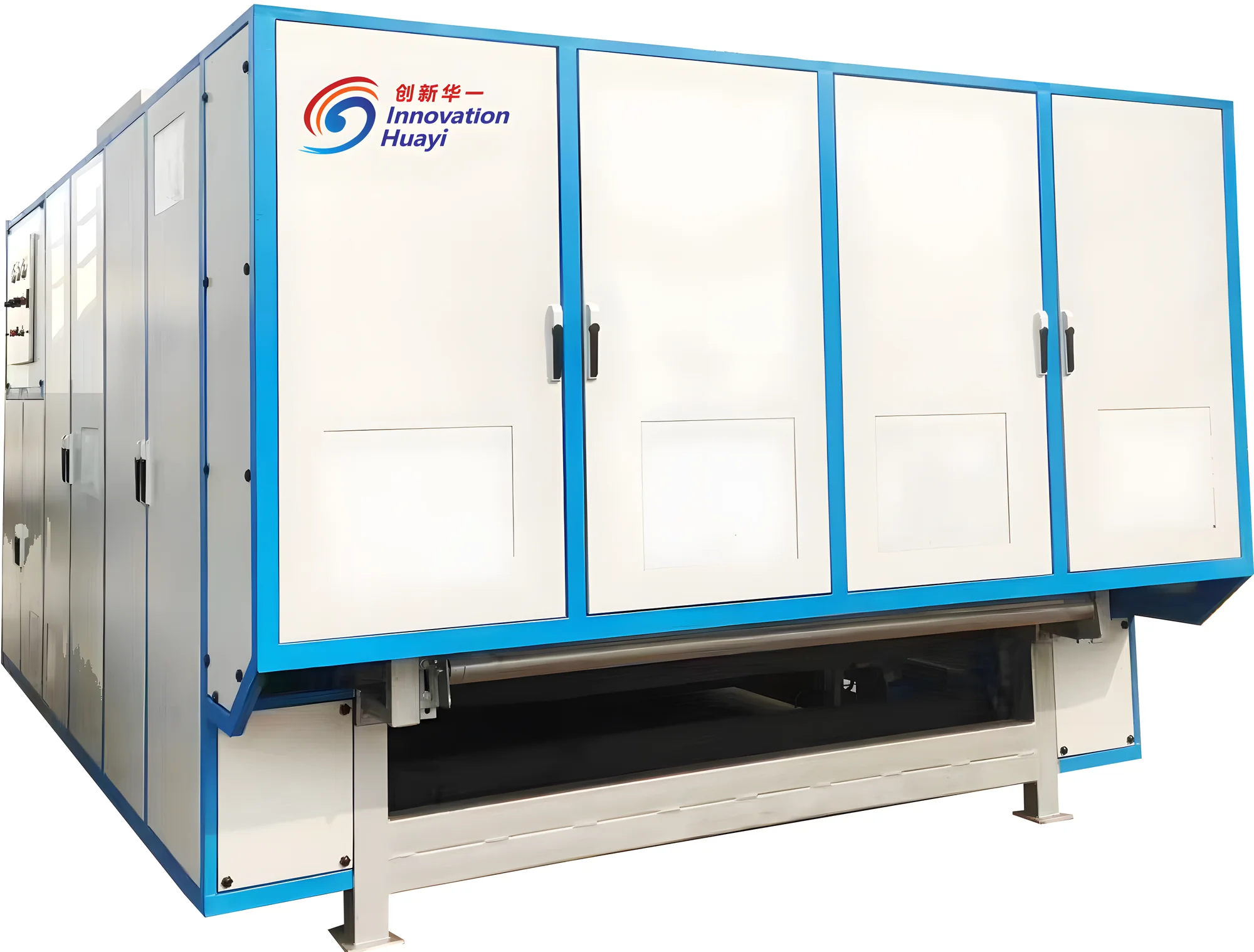
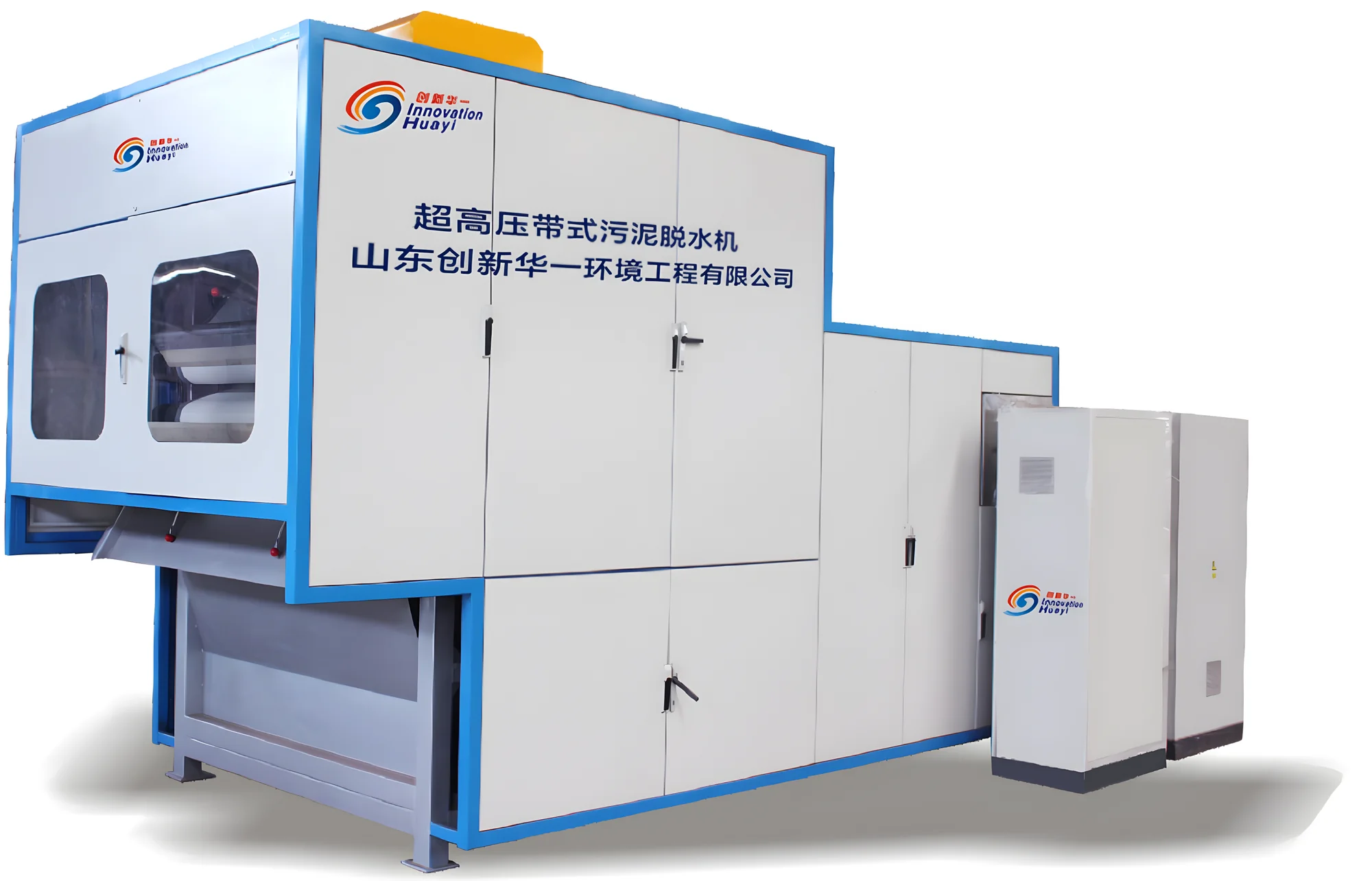
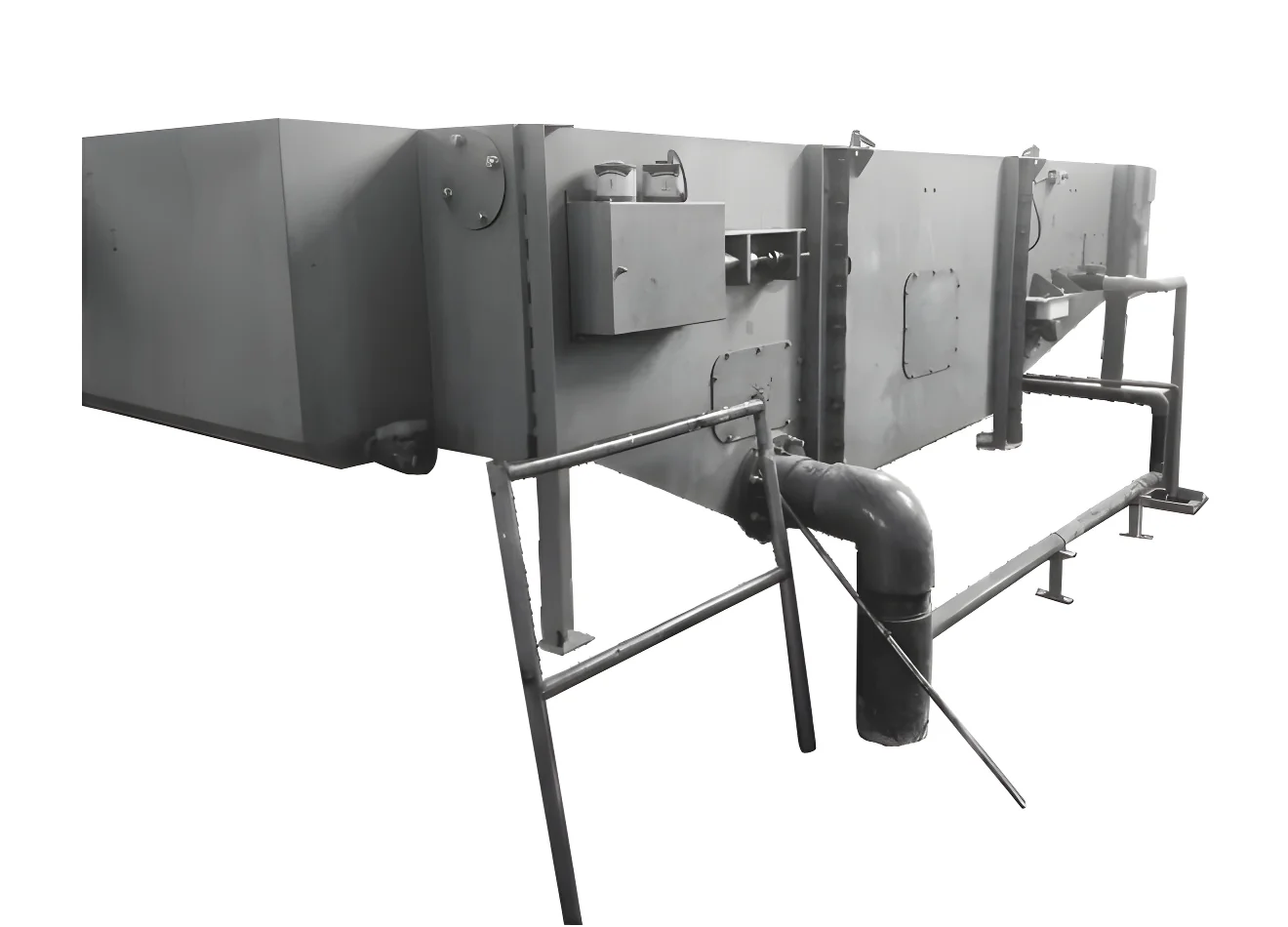
CXSW belt filter press.
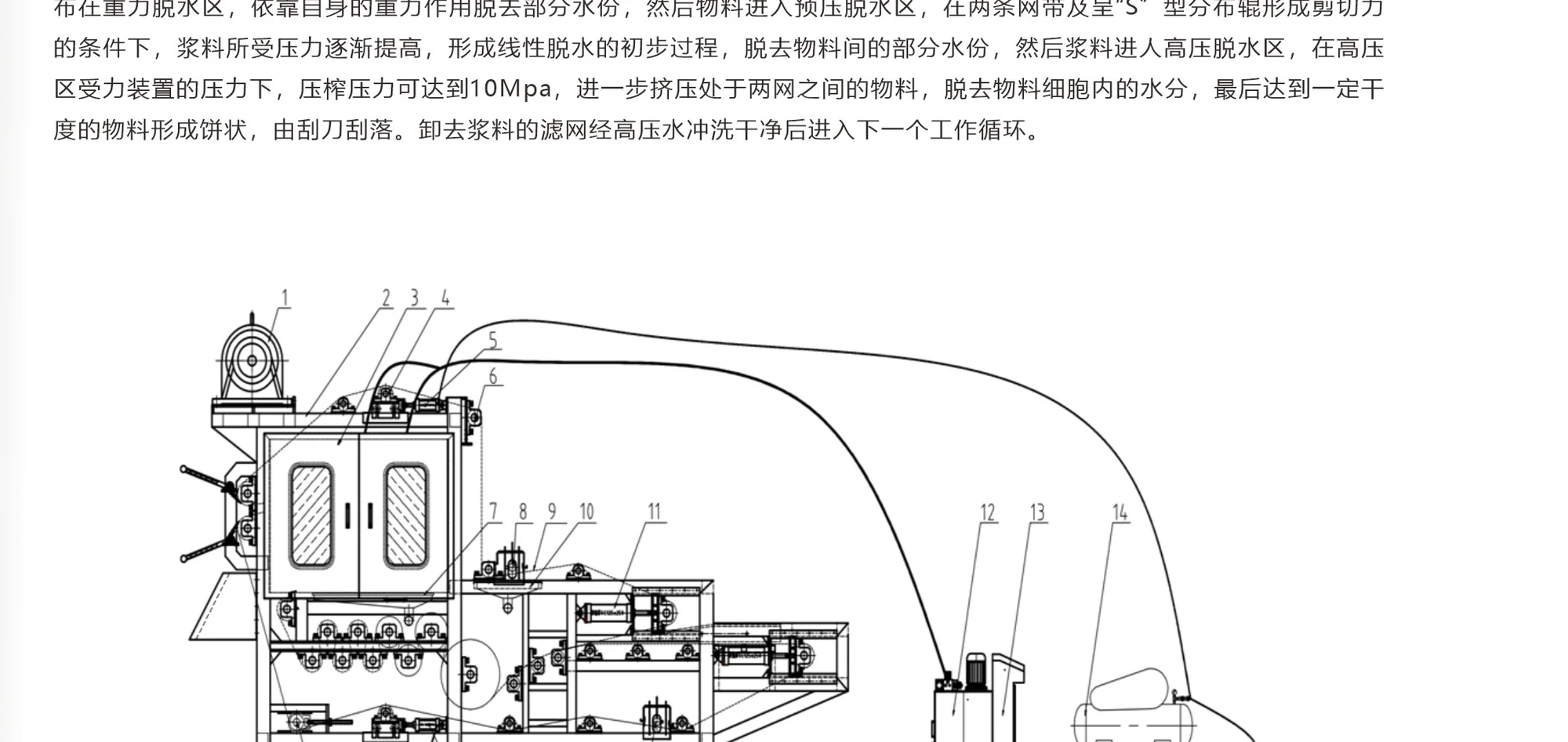
A continuous sludge dewatering press: the sludge drains under gravity on the moving belt, is compressed in the wedge zone, and is then pressed between rollers at increasing pressure.
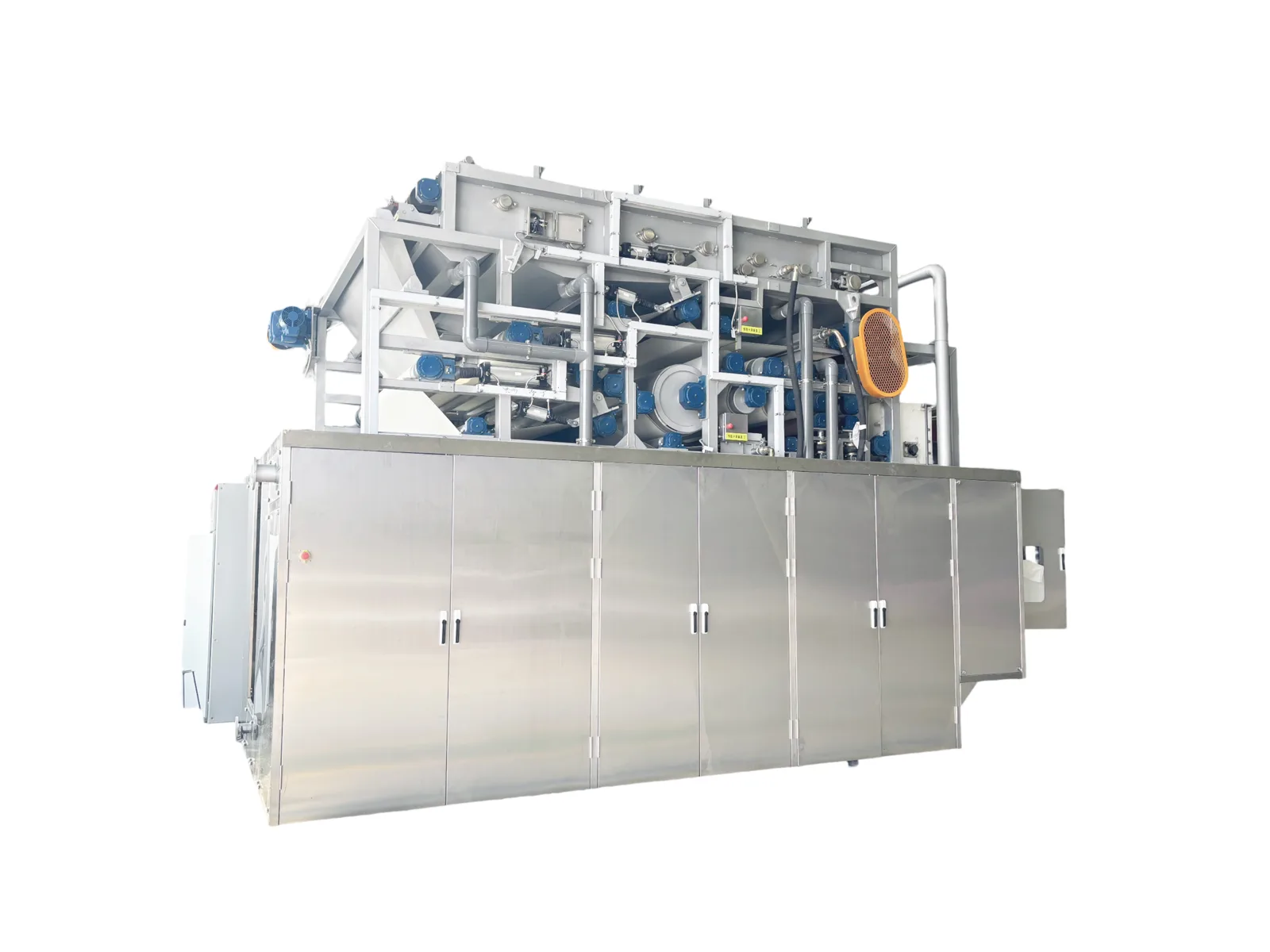
What a belt filter press is, and what the site still does
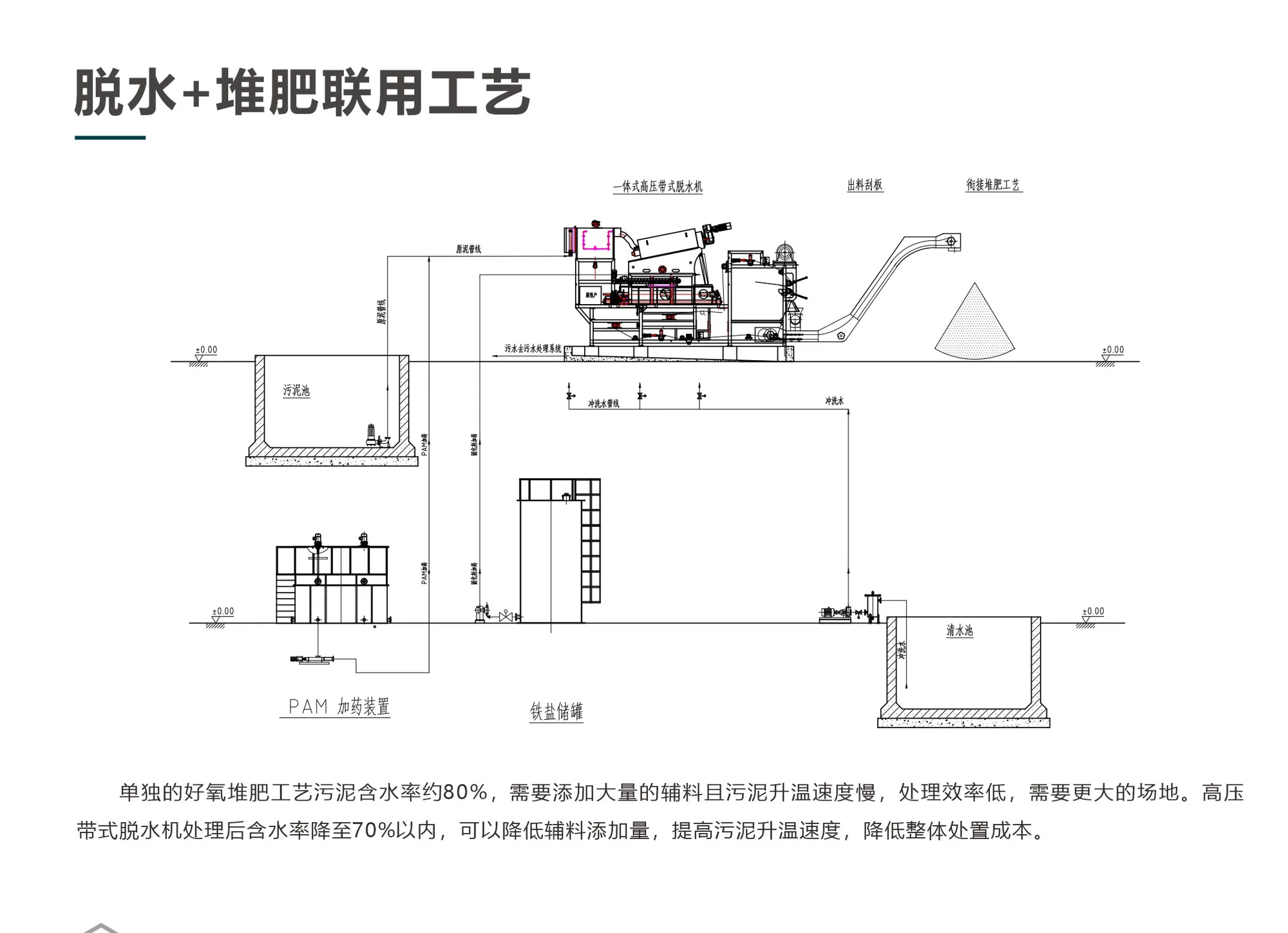
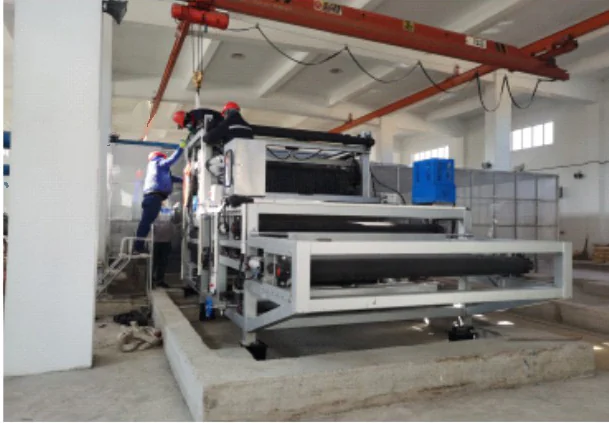
A belt filter press dewaters sludge continuously. Conditioned sludge is spread across a moving filter belt and the free water drains away under gravity; the sludge is then compressed in a wedge-shaped zone where the two belts come together, and carried through a stack of rollers that squeeze the remaining water out of the cake, which is scraped off the belt at the discharge end. Because the belt keeps moving, the press runs without a batch cycle, which suits the larger sludge volumes of municipal and industrial treatment plants. The press is assembled and tested at our factory before shipment, and the ancillaries named in the offer are supplied with it; on site the foundation and anchorage, the feed and discharge pipework to our flanges, the power and water supply, and the lifting are site work.
Capacity and cake dryness on a belt filter press are one choice, not two
The CXSW catalogue publishes one operating window: 8–12% feed solids and 30–40% cake solids. Those figures belong together. They describe the family on the feed it was catalogued for, not two independent promises. At the same belt width, a thinner feed carries more water for the same dry-solids load, and a drier cake target lowers the throughput. Capacity is stated for the feed sludge and confirmed with the actual sludge during sizing (claims SD-BF-CAP-01 and SD-BF-CAKE-01).
In an enquiry, state the feed solids, the target cake solids, the dry-solids throughput per hour and the polymer dose the figure assumes. A capacity quoted without the feed solids cannot be compared with another supplier (claim SD-BF-FEED-01).
The pair to fix before comparing offers
Feed solids at the test, target cake solids, dry-solids throughput and polymer dose. The catalogue pair is a reference range, not a project guarantee.
Belt width, belt speed and pressure zones: why not simply wider or faster
Belt width sets how much sludge the belt can carry, belt speed sets how long the sludge spends in the gravity, wedge and pressure zones, and the number of pressure zones sets how often the cake is squeezed. The three are fixed together at sizing from the sludge type, the feed solids and the target cake. A wider belt adds capital and wash water, a faster belt shortens drainage and pressing time, and more pressure zones add power and wear points (claim SD-BF-SELECT-01).
The CXSW range runs from a 1000 mm to a 3000 mm belt, with a published capacity of 3–12 m³/h and power stated as the drive motor plus the compressed-air unit. The model is confirmed against your sludge, not chosen from the table alone (claims SD-BF-WIDTH-01 and SD-BF-MODEL-01).
The sludge dewatering selection guide works the sludge type, volume and cake target through the family choice, and the machine comparison article sets out how the four families differ.
Polymer conditioning, wash water and where the water goes
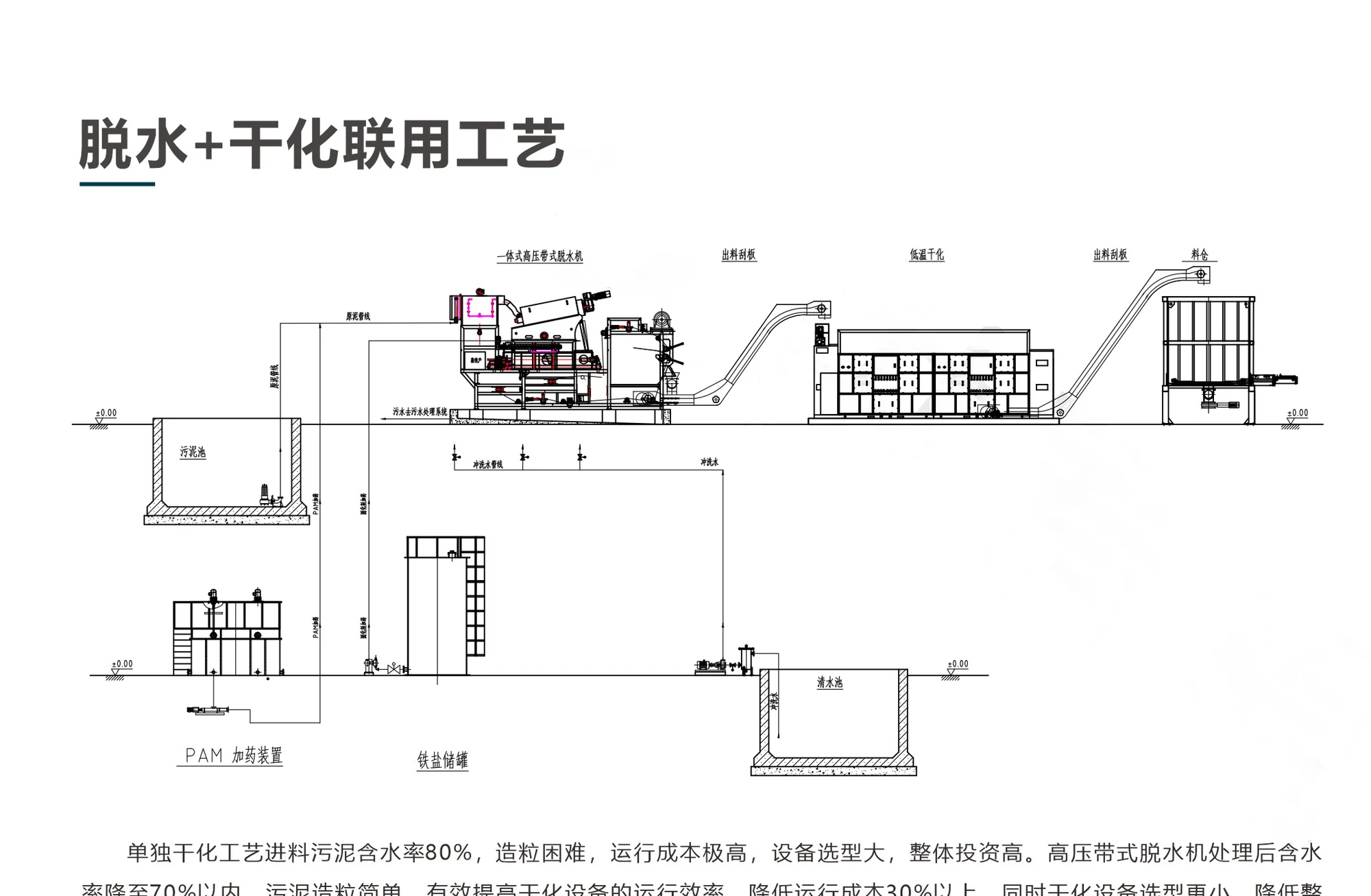
The sludge is conditioned before it reaches the belt, usually with polymer, and the dose is set by a test on the actual sludge. We do not publish a single PAM consumption figure for the belt press family, because the dose moves with the sludge, the feed solids and the season (claim SD-BF-PAM-01).
The belt is washed on its return run, so wash water is a continuous consumable. The wash water and the filtrate leave the machine together and return to the head of the works or to the plant drain; they are not clean water. The wash-water demand is fixed with the belt width and the site water supply at sizing (claim SD-BF-WASH-01).
The sludge moisture and cost article sets out how the water left in the cake drives haulage and disposal cost.
Belt life, tracking and the cleaning routine
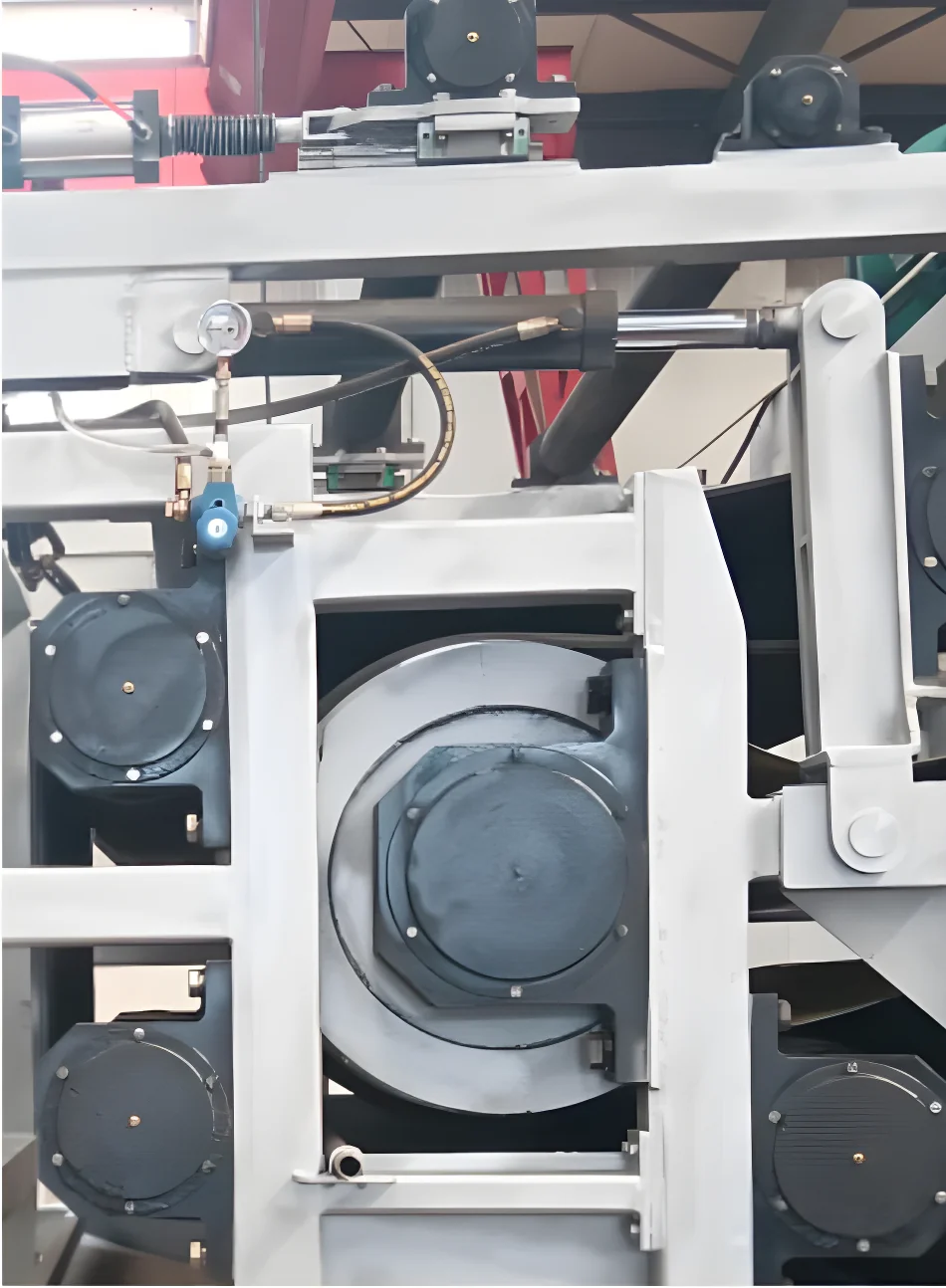
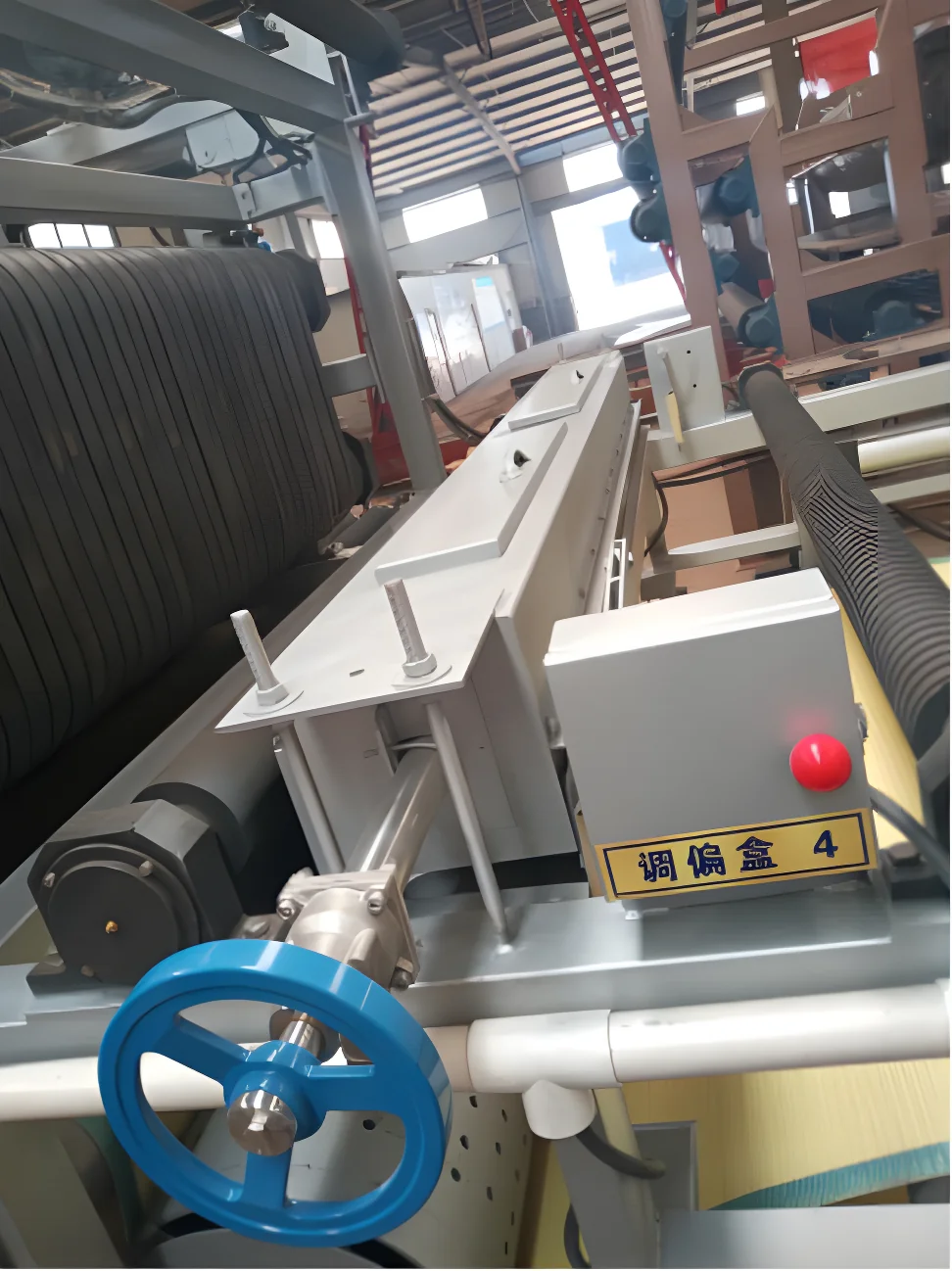
The filter belt is the main wear item. It is washed on the return run and has to be tracked so it does not run off the rollers. Misalignment, a torn edge or a blinded belt shows up as a wetter cake or slurry escaping at the edges. Belt life follows the sludge, the cleaning and the tracking, so we do not publish a fixed replacement interval (claim SD-BF-BELT-01).
Routine checks are belt tracking, belt-wash pressure, cloth condition and the discharge scrapers. Replacement belts and wear parts are listed in the spare-parts list with the manual at handover (claim SD-BF-SPARES-01).
What is in our supply, and what stays on site
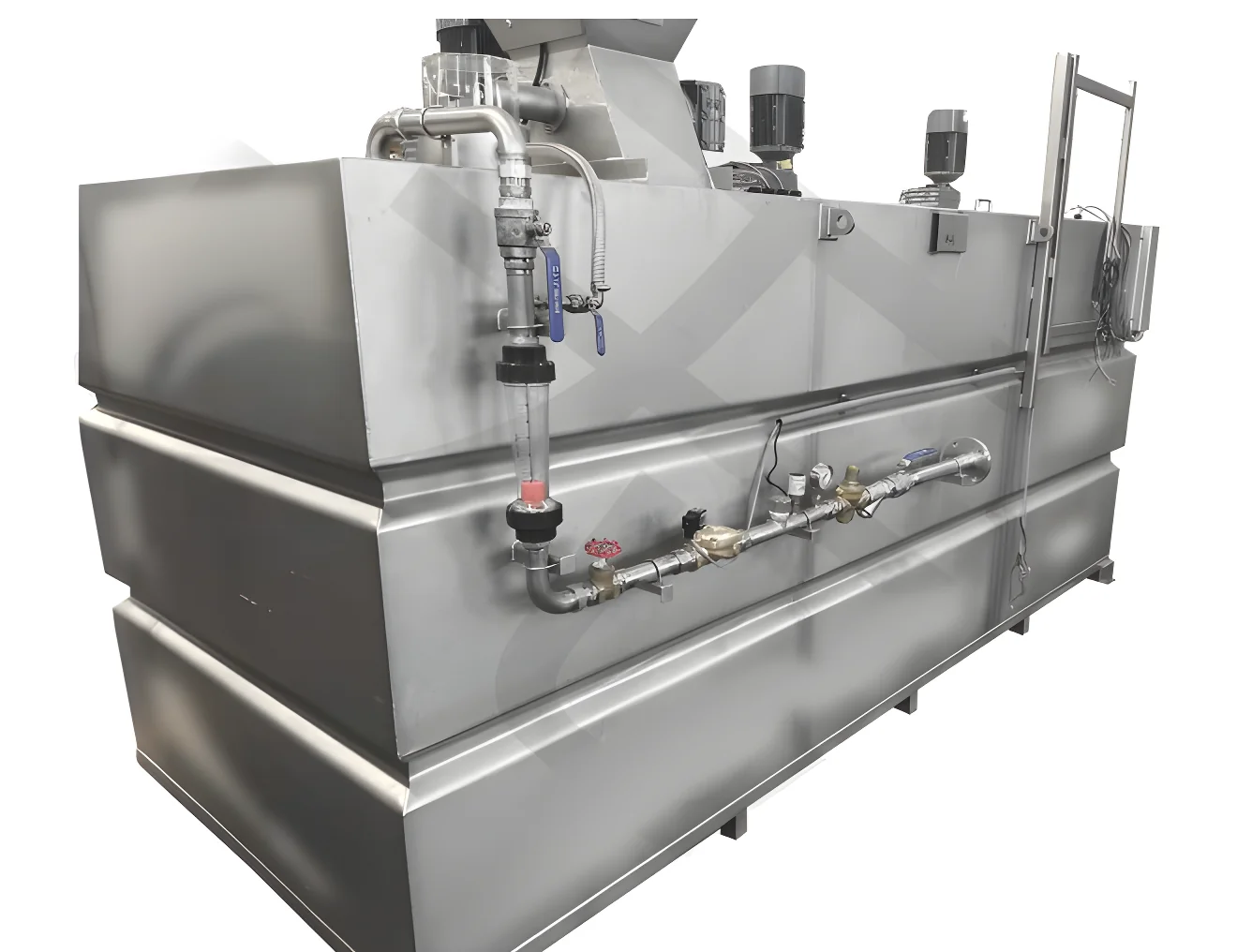
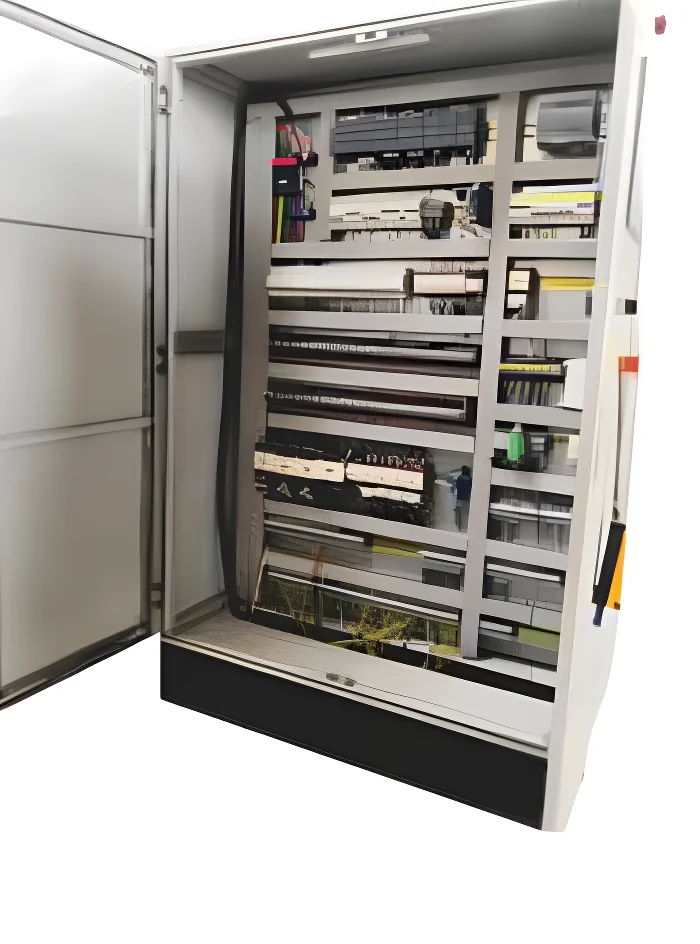
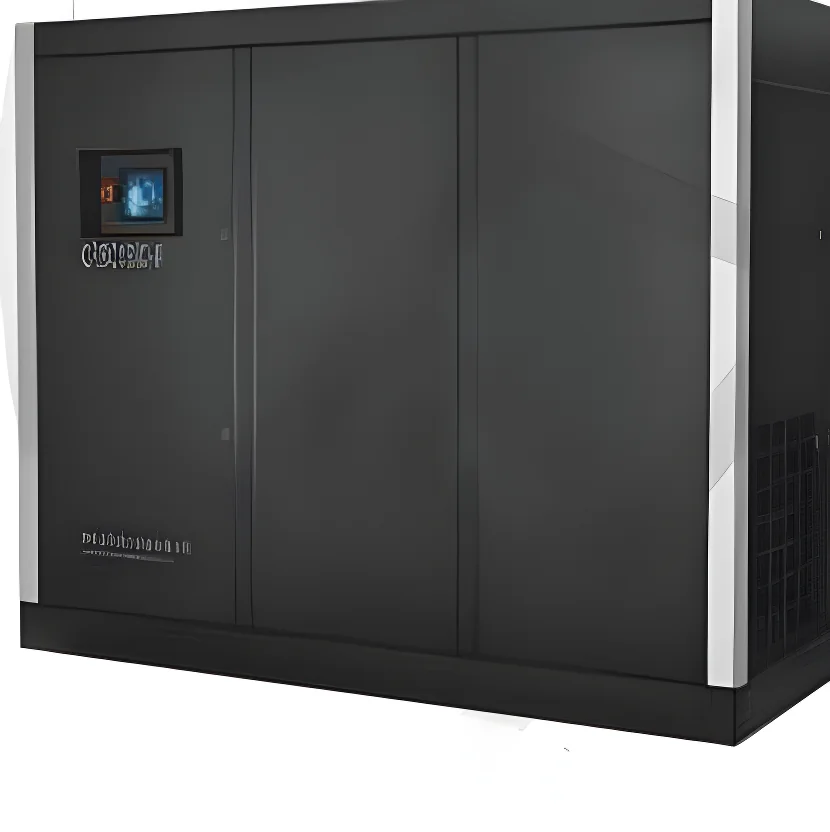
In our supply sits the belt filter press with the ancillaries named in the offer: the belt-wash system, the drive and the compressed-air unit where listed, and the control panel. A conditioning reactor or dosing unit is included only where the offer says so (claim SD-BF-SUPPLY-01).
- In our supply — the press, the belt-wash system, the drive and the control panel named in the offer.
- Site work — foundation and anchorage, feed and discharge pipework to our flanges, power and water supply, and lifting.
- Confirmed per order — the model, the belt width, the layout drawing, the utility schedule and the transport envelope.
The selection and sizing guide takes the site conditions into the choice before the equipment is fixed.
Acceptance is written into the contract: factory acceptance tests before shipment, site acceptance tests after installation, and a performance test on the dry-solids content of the cake and the solids carried in the filtrate at the design feed, with the sampling point, the sample handling, the dry-solids method, the filtrate-solids method, the feed solids at the test and the polymer dose agreed for the project, the party that carries a missed result named, and a failed result rectified and retested as agreed. Acceptance records are project documents; when you compare quotations, ask for the acceptance section of the contract (claim SD-BF-ACCEPT-01).
What the figures on this page are, and what a test has to prove
The four model rows, the 1000–3000 mm belt width, the 3–12 m³/h capacity and the 8–12% feed to 30–40% cake note come from our CXSW catalogue. They are catalogue references for the family, not a first-party test on your sludge, and the catalogue does not fix a polymer dose or a belt life for your site (claims SD-BF-MODEL-01 and SD-BF-CAP-01).
The sludge dewatering hub explains how the four machine families are narrowed, and the sludge drying beds comparison covers the low-technology alternative. The tank volume and HRT chart supports the upstream thickening duty.
CXSW belt filter press — model range
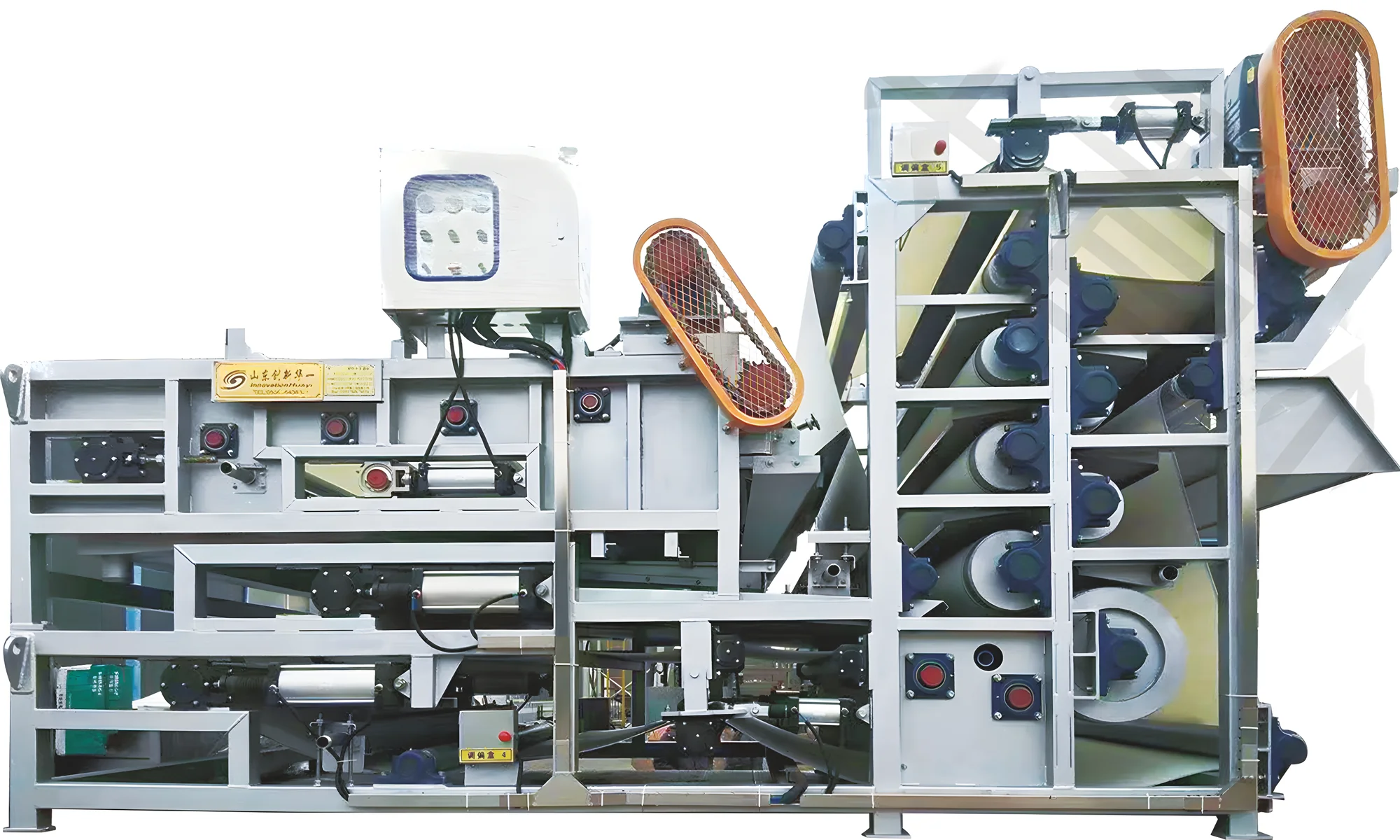
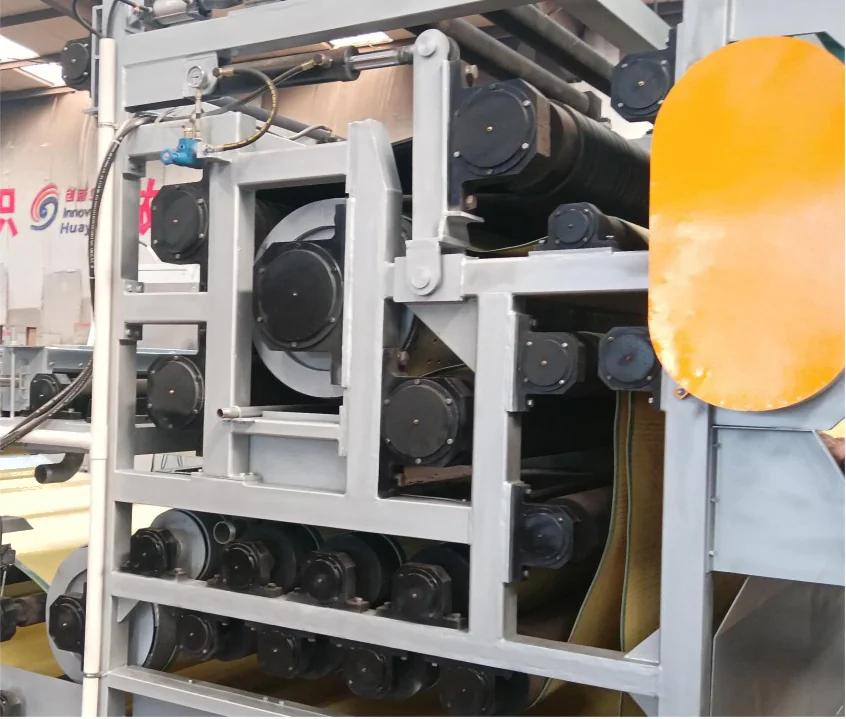
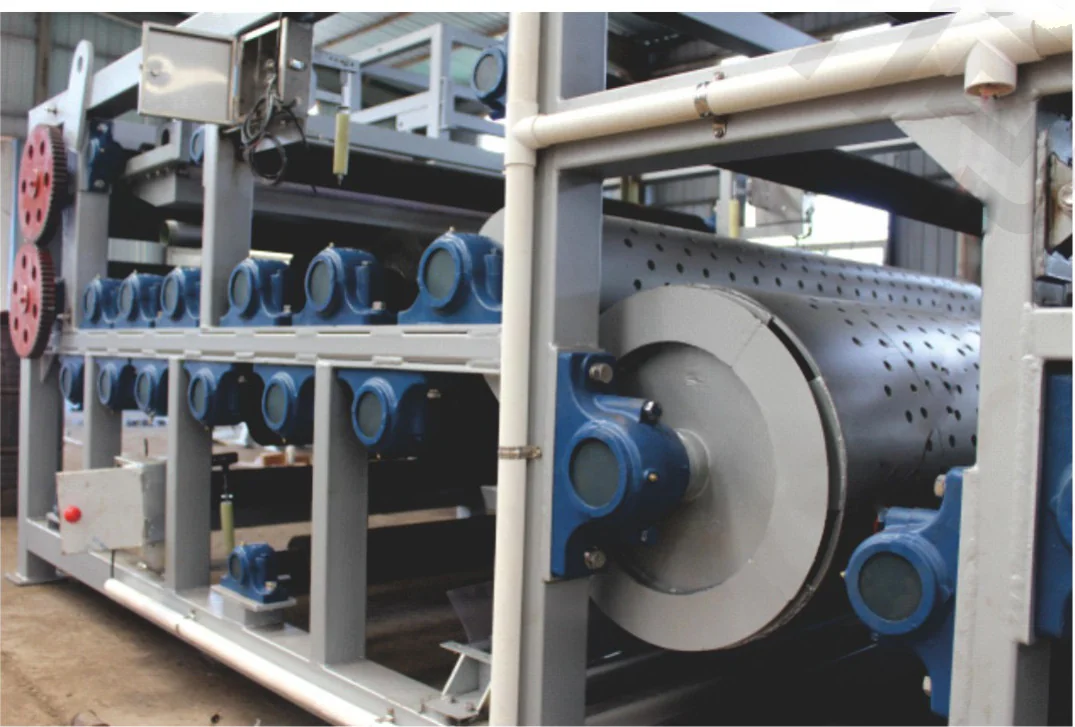
The press works in stages: the sludge is conditioned as it is fed, drains under gravity on the horizontal deck, is compressed in the wedge-shaped zone where the two belts first come together, and passes finally through the high-pressure pressing zone between the rollers. The belt is washed on its return run, so the filter medium is cleaned between passes and the dewatering duty carries on without interruption.
| Model | Belt width (mm) | Capacity (m³/h) | Power (kW) |
|---|---|---|---|
| CXSW1000 | 1000 | 3–4 | 0.75 + 0.75 |
| CXSW1 1500 | 1500 | 4–6 | 1.5 + 0.75 |
| CXSW1 2000 | 2000 | 6–8 | 1.5 + 0.75 |
| CXSW1 3000 | 3000 | 9–12 | 2.2 + 0.75 |
Feed solids 8–12% and cake solids 30–40% apply to this range. Power is the drive motor plus the compressed-air unit; capacity is stated for the feed sludge and is confirmed against the actual sludge during sizing.
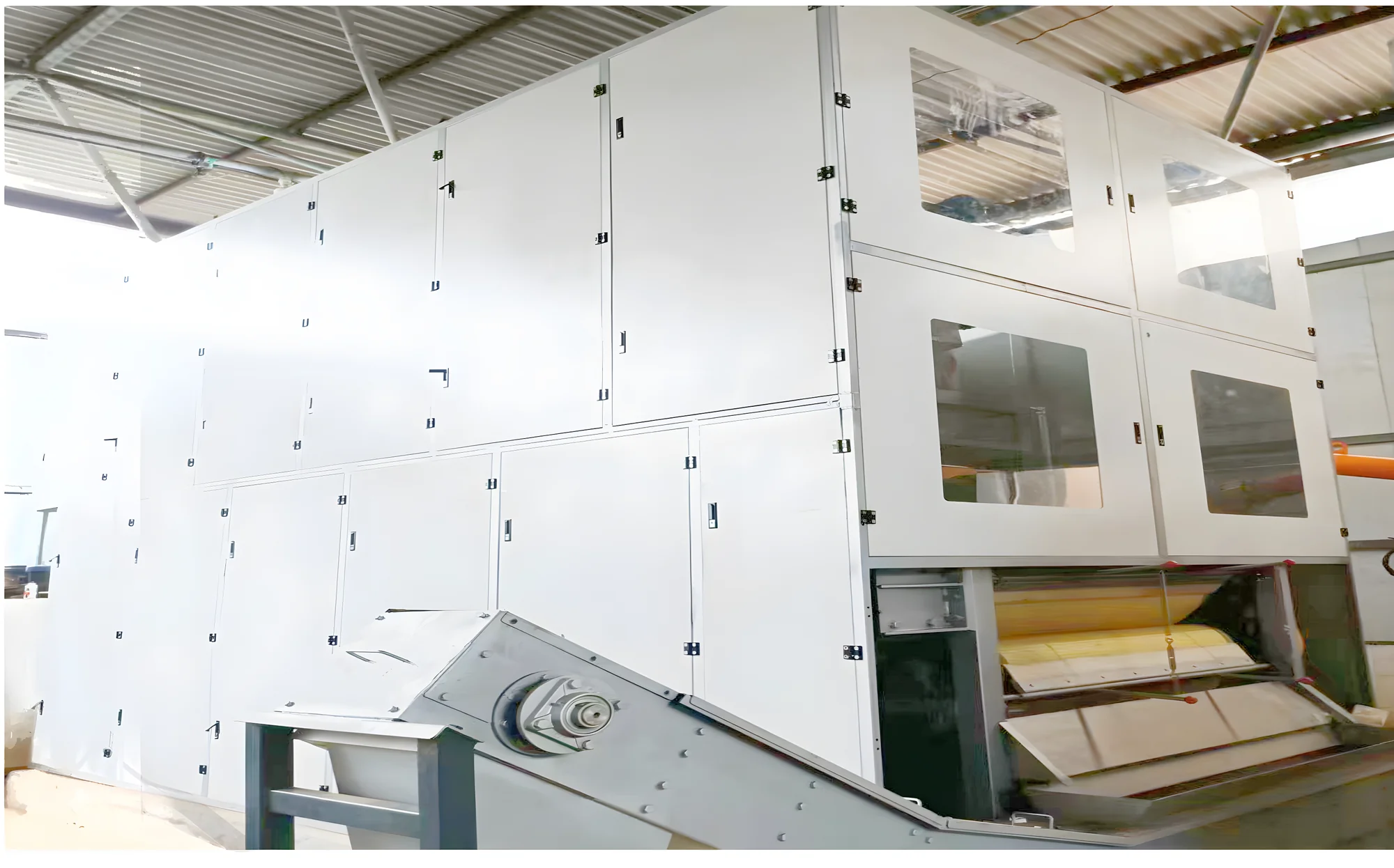
The belt press range
Project references for CXCG and CXYG
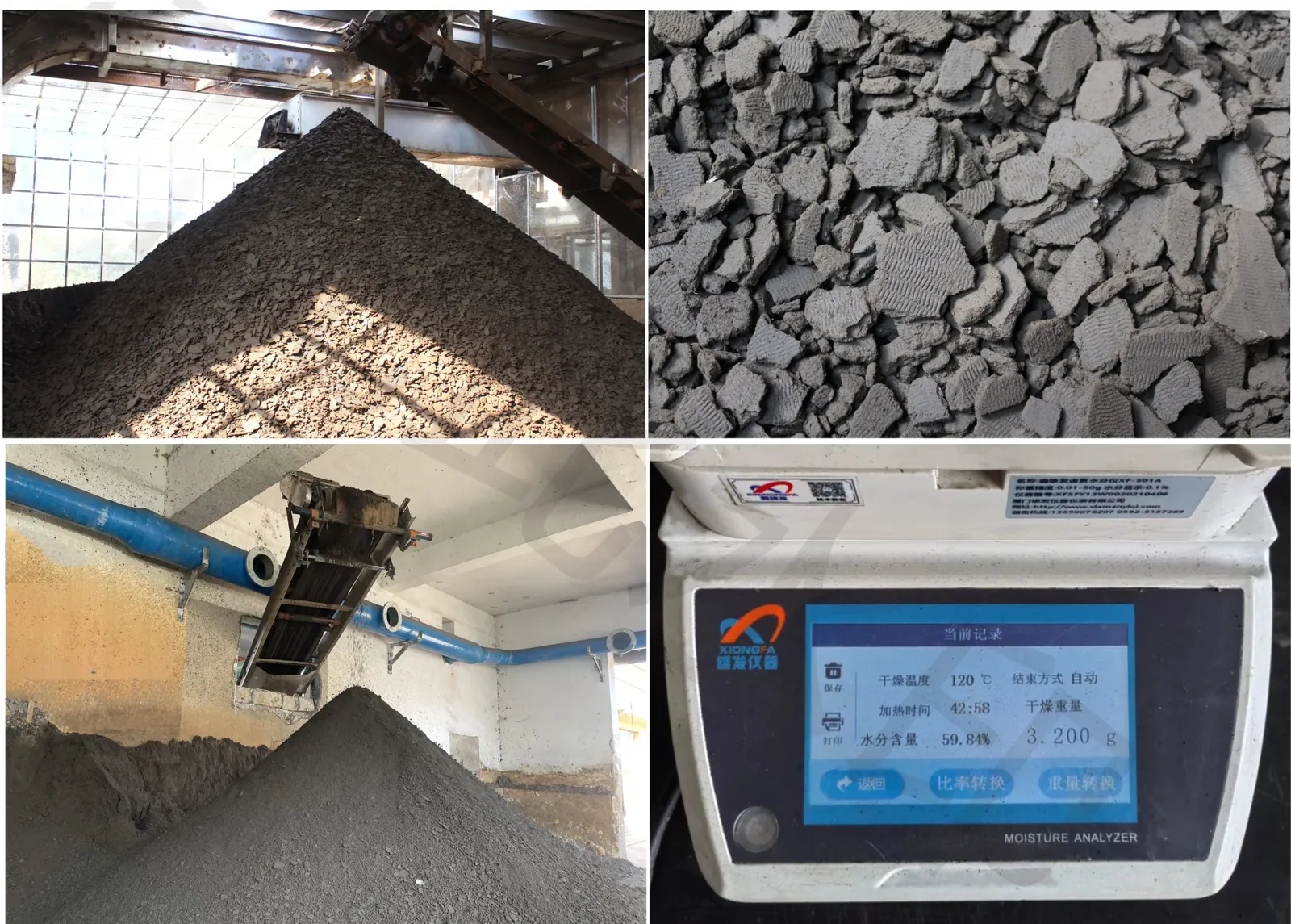
These references describe CXCG and CXYG installations under the conditions recorded for each project. The Hubei project includes a separate drying stage. Use these projects to discuss a treatment route; confirm the selected model and performance against your sludge.
Share the sludge source, feed flow with its unit, feed solids or moisture, target cake condition and disposal route. Include the project location and any analysis you already have.
Discuss your sludge dewatering projectProcess flow and selection
On site and in detail
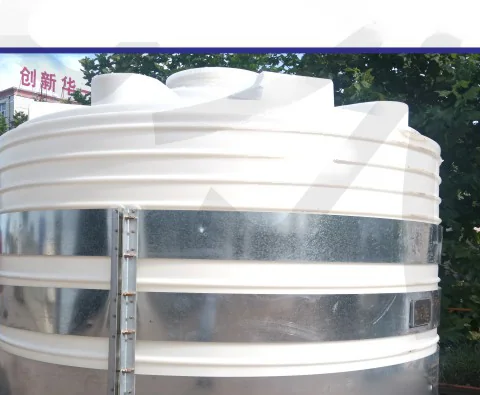
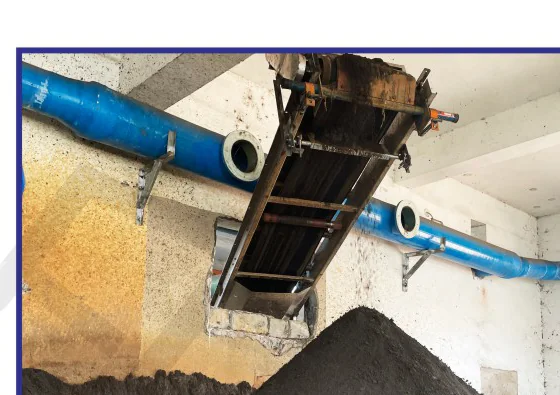
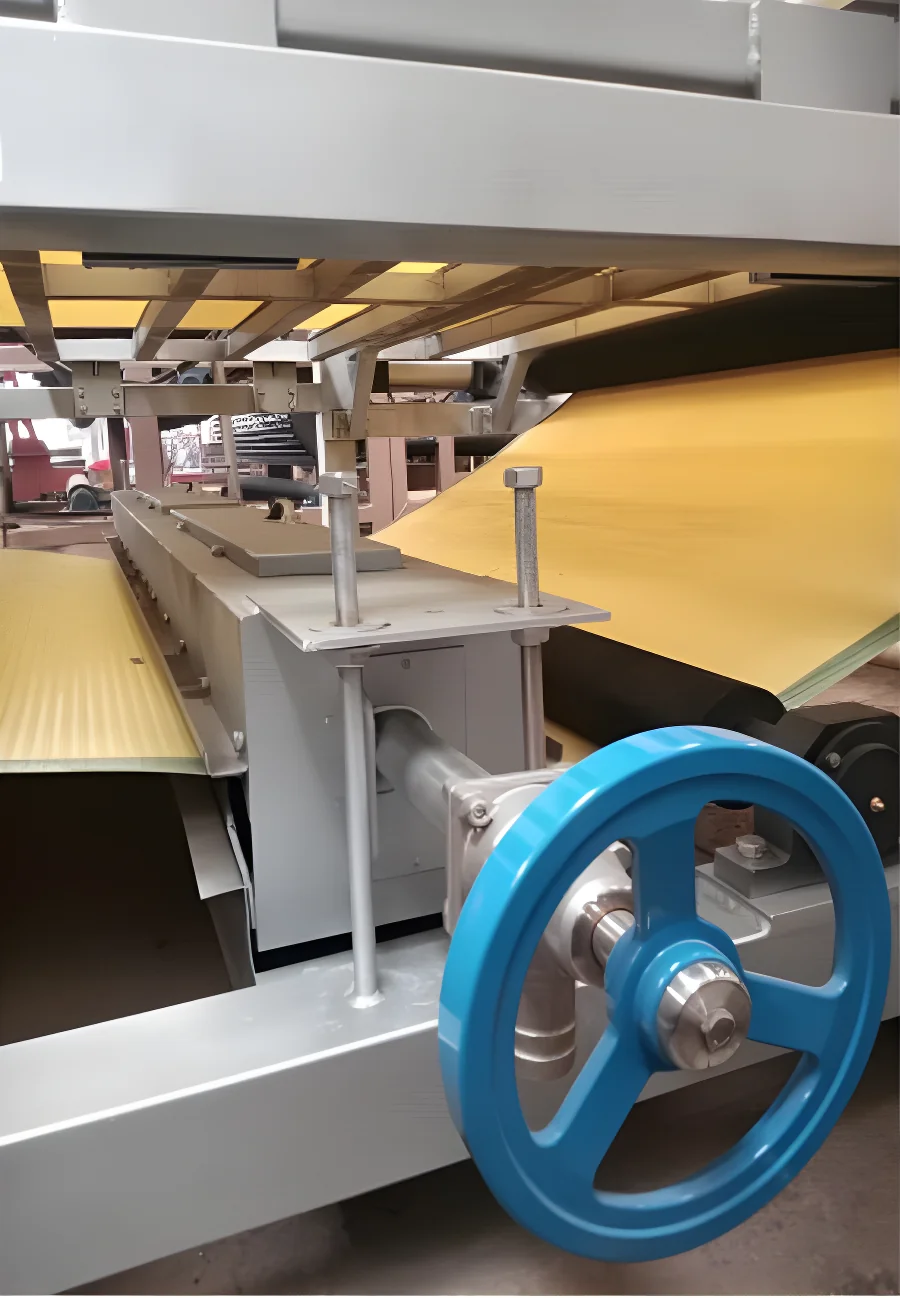
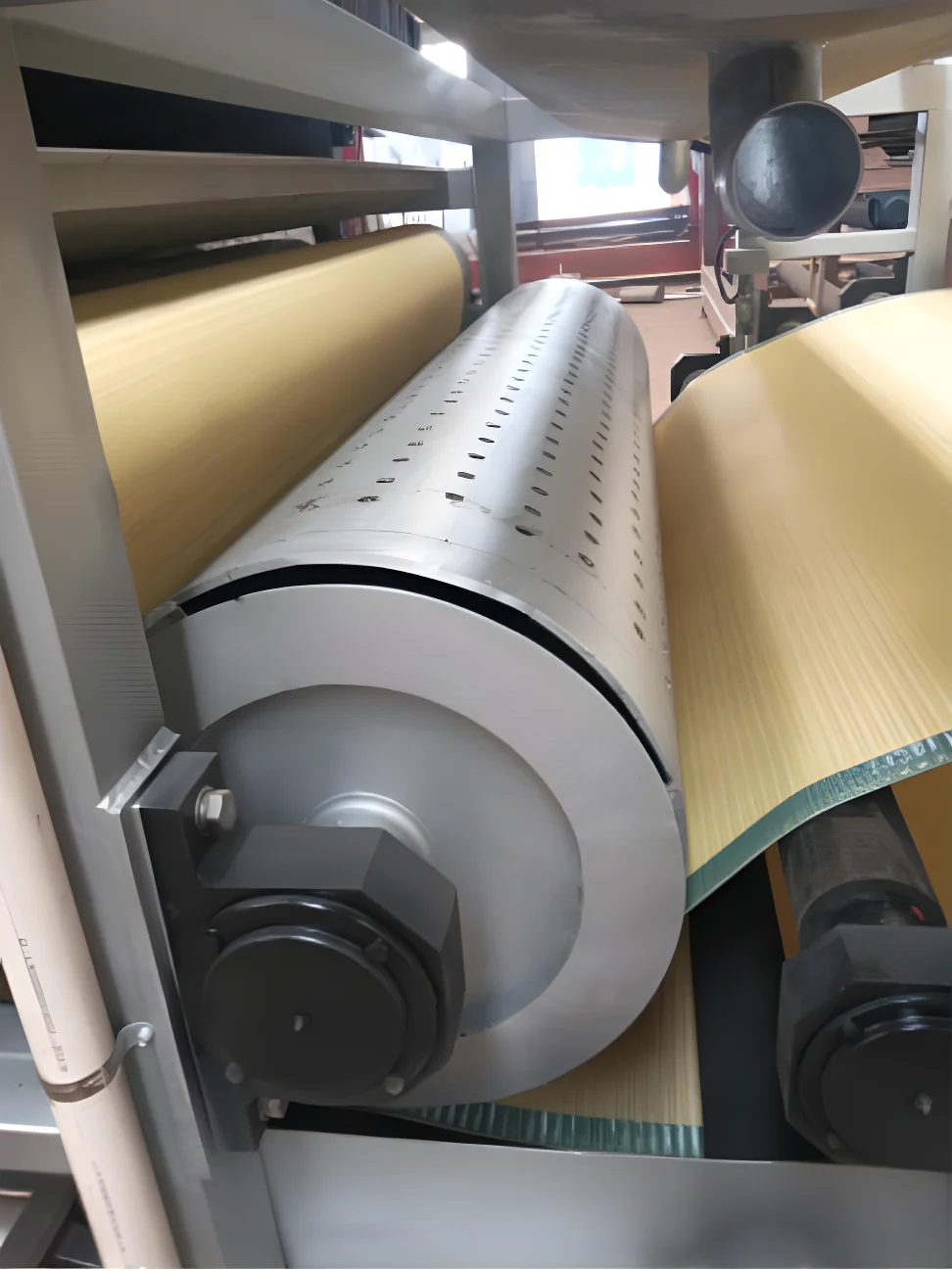
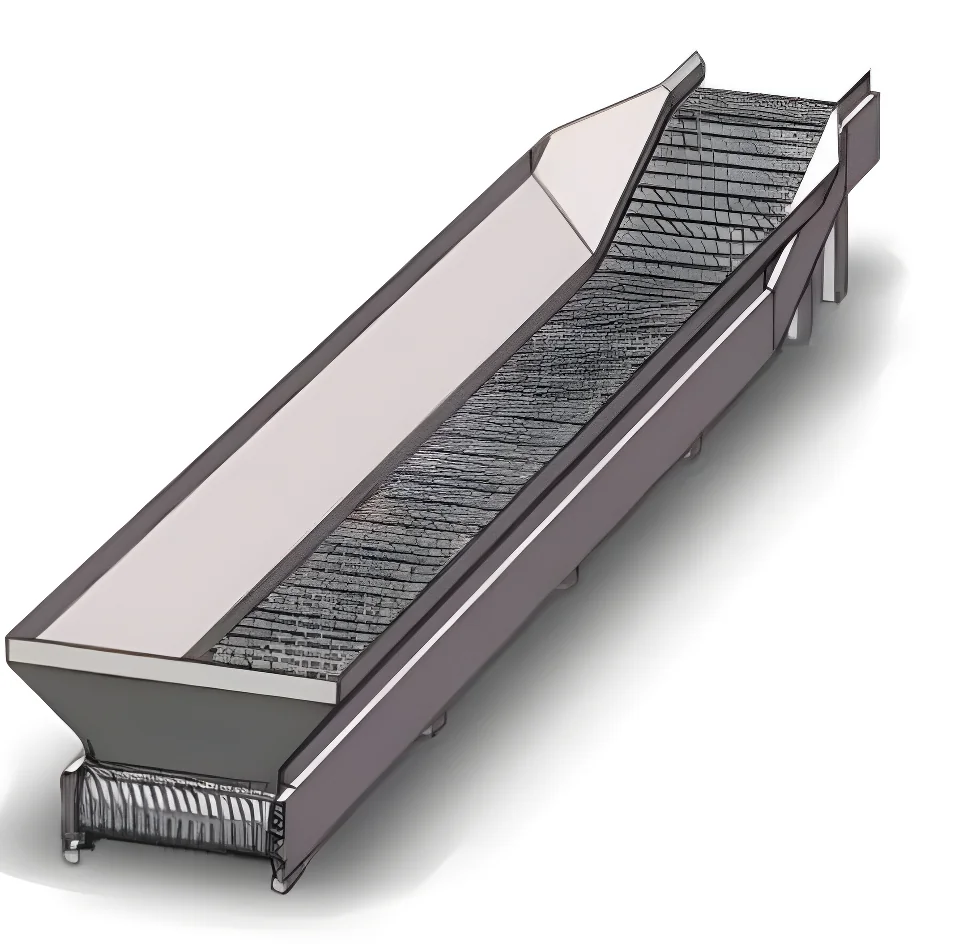
Auxiliary equipment
Delivery
Units are assembled and tested at our factory before shipment, then shipped with export documentation. Loading arrangement and the delivery schedule are confirmed with each order against the packed dimensions and the port of discharge.